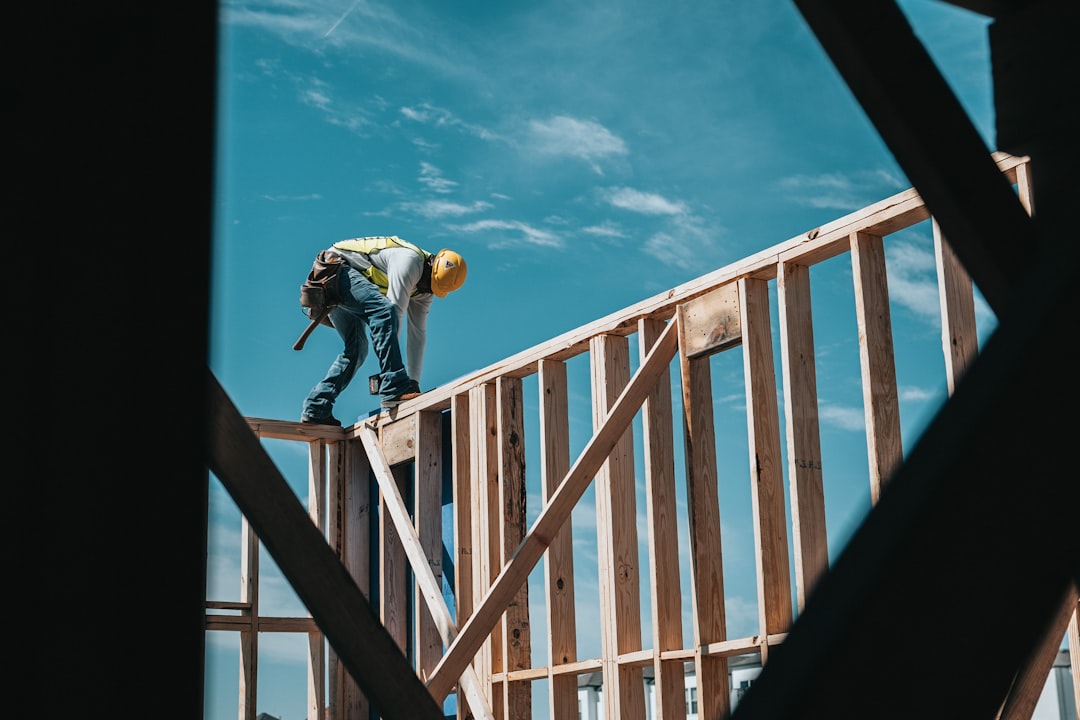
Hallandale Beach sits in an unusual position: technically Broward County, but close enough to Miami-Dade that it captures demand from both markets. That geographic advantage, combined with relatively lower land costs than its southern neighbors, has made it one of South Florida’s most active new construction corridors over the past several years. For buyers and investors watching where the next wave of development is landing, Hallandale Beach deserves close attention right now.
Why Hallandale Beach Became a Development Target
The answer comes down to a combination of factors that rarely align this cleanly. Land was still comparatively affordable when Miami Beach and Fort Lauderdale began pricing out mid-tier developers. The city sits at the intersection of I-95 and US-1, with easy access to both downtowns and both airports. And unlike some older Broward municipalities, Hallandale Beach has demonstrated a willingness to approve density.
As of recent market data, median condo prices in Hallandale Beach have climbed to roughly $350,000–$420,000 depending on building age and waterfront proximity — numbers that still undercut comparable product in Miami Beach or Sunny Isles Beach by a significant margin. That spread is exactly what developers and value-oriented buyers are chasing.
Seasonal demand adds another layer. Snowbird buyers from the Northeast and Canada have long favored Hallandale Beach for its beach access and lower price point relative to Miami. That steady winter demand gives developers confidence in presale absorption, which accelerates the pipeline.
Where the Cranes Are Concentrated
The US-1 Corridor
The stretch of US-1 running through central Hallandale Beach has seen the most consistent development pressure. Mixed-use projects combining ground-floor retail with residential units above have become the preferred format here, partly because they satisfy the city’s desire for walkable streetscape and partly because they pencil out well when retail rents can offset construction costs.
Several mid-rise projects in this corridor have broken ground or received approval in recent cycles, targeting the 200–350 unit range — large enough to achieve economies of scale, small enough to not overwhelm the existing street grid. Buyers interested in this zone should pay attention to projected completion timelines carefully; delivery delays of 12–18 months beyond initial estimates have become common across South Florida generally.
The Beachfront and Intracoastal Edge
Development pressure along the Intracoastal Waterway and beachfront has pushed toward a higher price tier. This is where luxury towers are replacing older, lower-density condominium stock from the 1970s and 1980s. Teardown activity has been steady, with developers acquiring aging buildings, terminating existing condo associations, and rebuilding at higher densities under updated zoning.
This pattern mirrors what has played out in Sunny Isles Beach over the past decade and is now being replicated at a slightly lower price point in Hallandale. For context on how luxury pricing has stratified across South Florida, the gap between luxury and typical home values in the region makes clear why developers are chasing the high end even in markets historically considered mid-tier.
The Pembroke Road Transition Zone
Less discussed but worth watching: the blocks between Pembroke Road and the northern city limits represent a transitional zone where light industrial and older commercial uses are being rezoned for residential. This is earlier-stage activity — more approvals and site plans than active construction — but the trajectory is consistent with what typically precedes a development surge.
What New Construction Means for Existing Property Values
New construction has a dual effect that buyers and current owners should understand clearly.
On one hand, it signals market confidence. Developers do not break ground unless their pro formas work, and those pro formas require projected sale or rental prices that support the debt. Active construction is, in that sense, a data point about where professional money sees the market going.
On the other hand, a significant increase in inventory can suppress short-term price appreciation in adjacent segments. Buyers who currently own older condos in Hallandale Beach may face competition from new product that offers modern amenities, better energy efficiency, and fresh warranties. The key question for those owners: does your building’s location, condition, and HOA financial health position it to compete, or will new supply pull buyers away?
This dynamic is playing out across South Florida’s multifamily market broadly. Institutional buying activity in the region reflects the same confidence in long-term rental demand that is driving the Hallandale Beach construction wave.
Florida-Specific Factors Every Buyer Must Check
New construction does not eliminate Florida’s property-specific risks — in some cases it reframes them.
Consider these before committing to any new development in Hallandale Beach:
- Flood zone designation. Much of Hallandale Beach falls within FEMA flood zones. New buildings are required to meet current base flood elevation requirements, but that does not mean flood insurance is optional or cheap. Confirm the flood zone designation and get an insurance estimate before signing a purchase contract.
- Wind and property insurance. As of recent market data, property insurance premiums in Broward County have reached $4,000–$8,000 annually for many condo units, with higher figures for ground-floor or waterfront exposure. New construction may carry lower initial premiums, but those rates can shift dramatically at renewal.
- HOA reserve funding. Florida’s updated condominium reserve requirements — adopted in the wake of the Surfside collapse — mean buyers in new buildings need to understand how reserves are structured from day one. Underfunded reserves will eventually mean special assessments.
- Developer track record. In a market with active construction, not every developer has equal experience managing South Florida projects. Review prior completions, check for any history of construction defect litigation, and verify that the project carries the appropriate performance bonds.
The Practical Next Step
If Hallandale Beach is on your radar — whether as a primary residence, a seasonal property, or an investment — the most useful thing you can do right now is not browse listings. Pull the city’s active building permits and approved site plans. That data tells you exactly where new supply is coming in the next 18–36 months, which directly affects what existing inventory in each zone will look like by the time you’re ready to close. Then layer in insurance quotes and flood zone mapping for any specific address before that analysis goes any further. The development story here is real — but the details determine whether a specific opportunity is as attractive as the broader trend suggests.