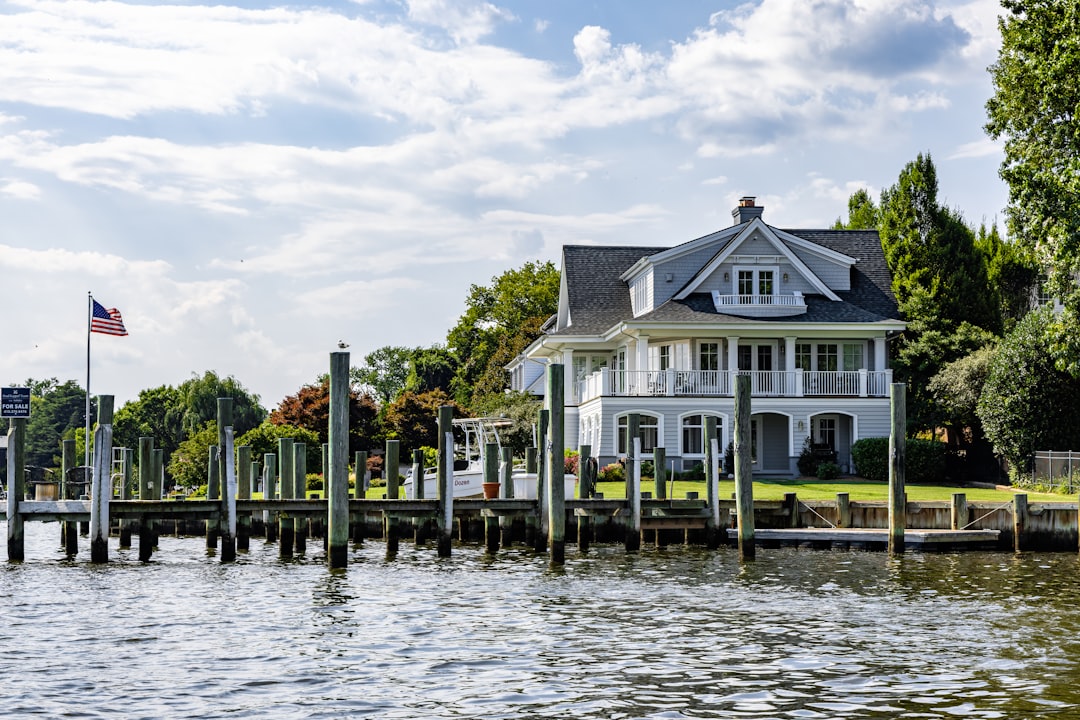
South Florida’s luxury market has always operated in a separate stratosphere from the region’s typical housing stock — but recent data makes that gap impossible to ignore. In select South Florida metros, luxury homes are now priced at roughly nine times the cost of a median-priced home, a ratio that signals not just local wealth concentration but a structural shift in who can participate in these markets at all.
That ratio matters whether you’re a buyer, a seller, or an investor trying to read where the market goes next.
Where the Gap Is Widest — and Why
The metros drawing the most attention are Miami-Dade, Palm Beach County, and to a growing extent Broward County. As of recent market data, luxury properties in the Miami metro — defined broadly as the top 5% of listings — are transacting in the $5 million to $30 million range, while the county’s median home price sits closer to $620,000. In Palm Beach County, the spread is similarly dramatic: oceanfront and Intracoastal estates in Palm Beach, Jupiter Island, and Manalapan routinely trade above $10 million, while the county median hovers around $590,000.
That nine-to-one ratio is not an accident. It reflects deliberate capital migration.
Since 2020, South Florida has absorbed a significant inflow of high-net-worth residents from New York, California, and internationally — particularly from Latin America and, more recently, from parts of Europe. Many of these buyers are paying cash. In Miami-Dade, cash transactions accounted for over 40% of luxury closings in recent data periods, insulating that tier of the market almost entirely from interest rate pressure.
The Two-Speed Market
Understanding South Florida real estate right now requires treating luxury and non-luxury as essentially separate markets running on different fuel.
The typical buyer in Broward or Miami-Dade is constrained by mortgage affordability. With 30-year fixed rates remaining elevated — still above 6.5% as of recent reporting — purchasing power at the median level is compressed. Inventory has increased modestly from the historic lows of 2021–2022, but meaningful relief for buyers under $700,000 remains limited.
Luxury buyers operate under different math entirely. When a buyer is wiring $8 million for a waterfront compound in Miami Beach, the federal funds rate is largely irrelevant. What drives their decision is tax environment, lifestyle infrastructure, and peer migration — and on all three counts, South Florida continues to attract.
The practical outcome: days on market diverge sharply by price tier. Entry-level and mid-range homes in Miami-Dade are moving in under 45 days in competitive zip codes. Ultra-luxury properties — $10 million and above — can sit for 180 days or more, but when they close, they often close at or near ask, with limited negotiation.
Florida-Specific Factors Amplifying the Wealth Gap
Several forces unique to Florida are widening this divide rather than narrowing it.
Property insurance is one of the most consequential. Homeowners in South Florida are now contending with average annual premiums that, for coastal properties, can run $30,000 to $60,000 or higher depending on flood zone designation, structure age, and coverage requirements. For a buyer at the $600,000 level, an insurance bill of that size can materially affect affordability. For a buyer at $15 million, it represents a rounding error.
HOA and condo association costs have escalated sharply, particularly following Florida’s post-Surfside condo legislation requiring reserve funding and milestone inspections. Some Miami Beach condo buildings have seen monthly assessments climb by $1,000 or more per unit. This burden falls disproportionately on mid-range condo owners rather than buyers in single-family luxury estates.
Seasonal demand from snowbirds and second-home buyers adds another layer. Much of the luxury inventory in Palm Beach and Boca Raton transacts between November and April — compressed into a tight buying window when affluent part-year residents are in market. That seasonal concentration can push prices above what year-round comps would suggest.
What This Ratio Signals for Investors
A nine-to-one price gap between luxury and typical homes is not inherently unsustainable, but it does create specific risks and opportunities. Large institutional capital appears to be reading South Florida as a long-term hold. AvalonBay’s acquisition of a full city block in South Miami is one signal of that conviction — major players are betting that rental demand from residents priced out of ownership will remain robust.
For individual investors, the implication is clear: entry-level and workforce housing in South Florida’s urban cores may offer better yield and lower vacancy risk than mid-tier product, precisely because the luxury market’s gravitational pull keeps compressing affordable supply.
What Buyers and Sellers Should Do With This Information
The wealth gap doesn’t mean the non-luxury market is stagnant — it means you need to be precise about which market you’re actually in.
If you’re buying below $800,000 in Miami-Dade or Palm Beach County, expect competition, limited negotiation room, and insurance costs that deserve the same scrutiny as your mortgage payment. Get a 4-point inspection and a wind mitigation report before making an offer, not after.
If you’re selling at the median level, understand that your buyer pool is rate-sensitive. Pricing at market rather than above it will matter more in 2025 than it did in 2021.
For luxury buyers and sellers, the dynamics are different but not frictionless. Verify HOA reserve fund status on any condo purchase, confirm flood zone designation independently, and build insurance quotes into your pre-offer due diligence — not as an afterthought.
South Florida’s wealth magnet status is real and data-supported. But within that broad narrative, there are two very different markets operating side by side. Knowing which one you’re navigating — and pricing, budgeting, and strategizing accordingly — is what separates a sound transaction from an expensive miscalculation.