A new analysis of homebuying timelines across major U.S. metros puts a number on something first-time buyers have long suspected: student loan debt doesn’t just delay homeownership by a few months. Depending on where you’re trying to buy, it can set you back by as little as eight months or as long as 16 years. That range tells you nearly everything about how local home prices, income levels, and debt loads interact — and for buyers targeting Florida’s most competitive markets, the math deserves a hard look.
The National Picture: What the Timeline Gap Actually Represents
The analysis works from a straightforward premise. It compares two hypothetical buyers with identical incomes saving for the same down payment target: one with no student loan debt, one carrying the average student loan balance (roughly $37,000–$38,000, as of recent federal data). The monthly debt payment that student loan requires — somewhere in the range of $300–$400 on a standard repayment plan — is money that cannot go toward a down payment savings fund.
In lower-cost metros with more attainable home prices, the gap between the two buyers closes relatively quickly. Eight months is painful, but survivable. In high-cost metros, where the down payment target itself may exceed $80,000–$100,000, that same monthly drag compounds into years. Sixteen years of additional delay is the worst-case result identified in the analysis — not a statistical outlier, but the real consequence of carrying average student debt while saving for a 20% down payment on a pricier home.
The practical implication: where you choose to buy matters as much as how aggressively you save.
Florida’s Position in the Delay Spectrum
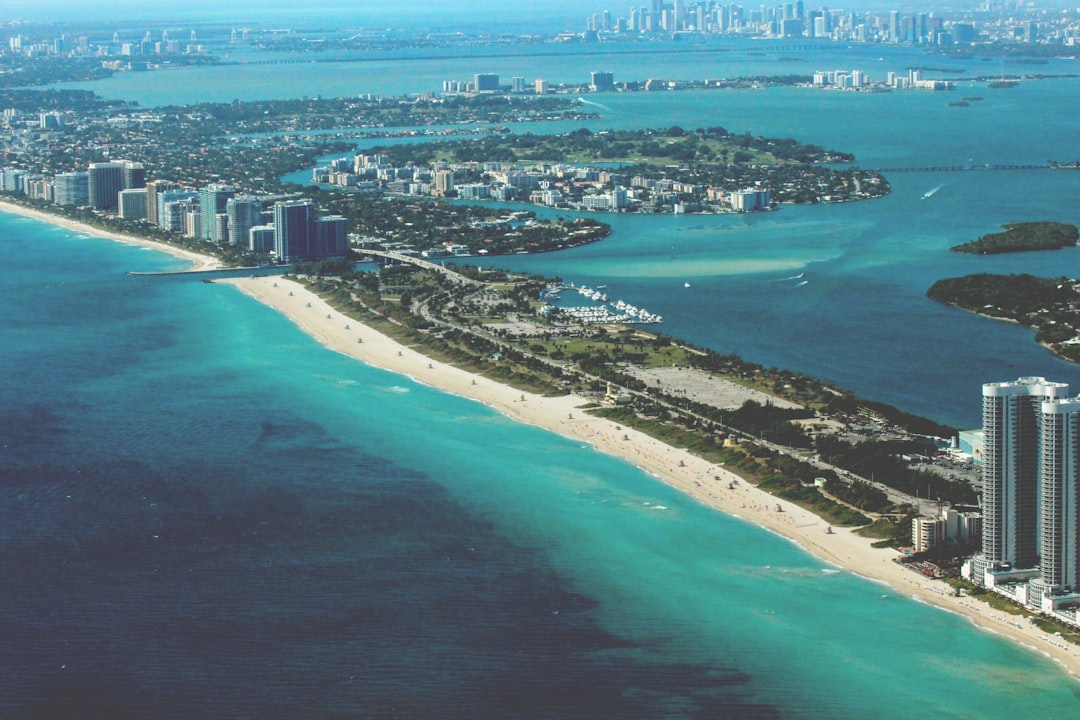
Florida is neither the cheapest nor the most expensive housing market in the country, but its internal variation is significant. Miami now carries a median home price that rivals — and by some measures exceeds — that of New York City, a comparison that would have seemed absurd a decade ago. That cost reality is reshaping who can participate in the Miami market, and student-debt-carrying buyers are among the first to be priced out of the timeline.
Consider what the numbers look like in practice for a Florida buyer:
- Miami-Dade: With median single-family home prices hovering around $650,000 or higher as of recent market data, a 20% down payment target is $130,000. A buyer saving $800/month after covering their student loan payment would need roughly 13+ years to hit that number — before accounting for prices continuing to appreciate.
- Tampa Bay: Median prices in the $400,000–$430,000 range put a 20% target closer to $85,000. The same buyer reaches that in roughly 9 years — still a significant delay, but meaningfully different from Miami.
- Orlando: Recent data shows Orlando home prices hitting record highs despite elevated mortgage rates, pushing entry-level buyers further from the finish line.
- Florida Panhandle and smaller inland metros: Lower median prices, sometimes in the $250,000–$300,000 range, compress that timeline considerably — bringing some buyers closer to the 8–12 month delay end of the national spectrum.
The spread within a single state is nearly as wide as the national analysis itself.
Three Factors That Compound the Problem in Florida
Insurance and Carrying Costs Raise the Effective Bar
Down payment math is only part of the equation. Florida buyers also face property insurance premiums that have increased dramatically over the past several years — in some cases doubling or tripling — alongside flood zone requirements that add further cost. A buyer who has finally saved enough for their down payment may find that the total monthly payment, once insurance is factored in, stretches their debt-to-income ratio beyond what lenders will approve. Student loan payments are already counted in that DTI calculation, which means the debt affects qualification twice: once by slowing savings, and again by reducing borrowing capacity at the moment of purchase.
The 20% Target Is Not Mandatory — But Alternatives Have Costs
Some buyers reduce the delay by targeting a lower down payment: 3.5% on an FHA loan, or 3%–5% on conventional programs. That strategy can work, but it trades one problem for another — private mortgage insurance, higher monthly payments, and, in Florida’s condo market specifically, a more complicated approval landscape. Fannie and Freddie’s condo mortgage rules have introduced additional hurdles for buyers using low-down-payment financing in buildings with reserve fund deficiencies — and that description fits a significant portion of Florida’s older condo inventory.
Affordability Is Improving Slightly — But Not Enough to Neutralize the Debt Gap
Recent data suggests affordability is improving modestly as wage growth has outpaced home price growth in some markets. That’s a real development, and it matters. But wage growth does not erase a $37,000 loan balance or the $350/month payment that comes with it. It softens the trajectory at the margins rather than closing the gap between debt-carrying and debt-free buyers.
What Buyers With Student Debt Should Actually Do
Knowing the delay exists is less useful than adjusting for it strategically. Here is where to focus:
- Run the DTI calculation before the down payment calculation. Know what your student loan payment does to your maximum qualifying loan amount. That figure determines which Florida markets are realistically accessible — not which ones you’d prefer to buy in.
- Explore income-driven repayment implications carefully. Lenders use 0.5%–1% of the outstanding loan balance per month as an imputed payment for buyers on income-driven repayment plans where the actual payment is $0. This can hurt DTI significantly and is worth understanding before you apply.
- Target metros where the delay gap is shorter. The Panhandle, parts of Central Florida outside the core Orlando market, and some Gulf Coast areas still carry lower median prices than Miami or the Southeast Florida coast. The same savings rate produces a meaningfully faster path.
- Investigate down payment assistance programs. Florida Housing Finance Corporation programs offer grants and second mortgages for qualifying first-time buyers — these exist precisely because the savings timeline for buyers carrying any form of consumer debt is difficult to sustain.
- Reassess the 20% assumption. For buyers in lower-price markets, a 10% down payment with PMI may produce a total monthly cost that’s still serviceable, and it cuts the accumulation timeline substantially.
The Realistic Takeaway
Student debt delay is not a uniform penalty. It scales with home prices, which means it scales with geography. In Florida, that creates a two-tier reality: buyers targeting Miami or coastal Broward and Palm Beach counties face timelines that can genuinely approach the double-digit year range. Buyers willing to consider inland or Panhandle markets may see that figure drop to something far more workable.
The decision about where to buy is, for a debt-carrying first-time buyer, as consequential as the decision about how much to save. Get clear on the numbers in your specific target market before building a savings plan around a timeline that may not reflect local reality.