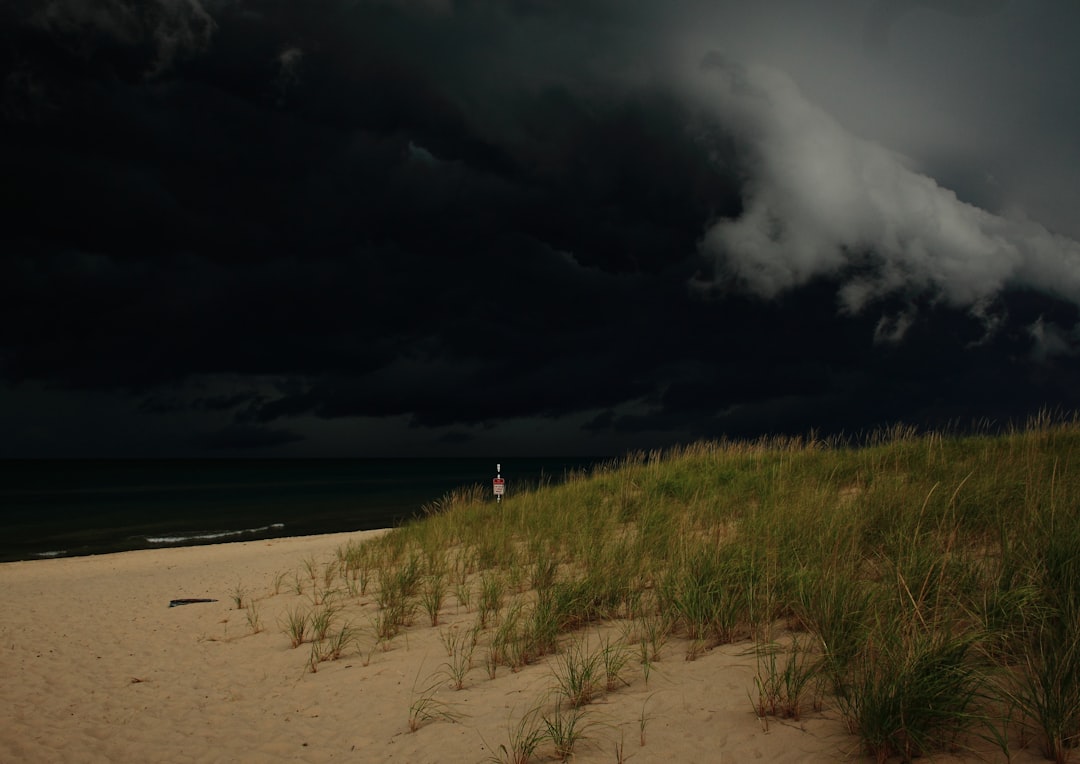
Peak Atlantic hurricane season is here, and the latest seasonal forecast has raised the stakes for every Florida property owner — from Gulf Coast single-family homeowners to Miami condo investors sitting on policies they haven’t reviewed since closing day. Updated outlooks from major meteorological agencies are projecting an above-normal season, with an elevated number of named storms and a significant probability of major hurricane landfalls along the Gulf and Atlantic coastlines. For Florida, that isn’t an abstract warning. It’s a direct financial signal.
What the Updated Forecast Is Actually Saying
The National Oceanic and Atmospheric Administration (NOAA) and independent forecasting groups have both flagged conditions that tend to amplify Atlantic hurricane activity: warmer-than-average sea surface temperatures in the main development region and a weakened wind shear environment across the Caribbean. As of recent forecasting cycles, projections for the current season have included as many as 17 to 25 named storms, with six to twelve of those potentially reaching hurricane status and three to six classified as major hurricanes (Category 3 or higher).
Florida sits squarely in the primary threat corridor. The Gulf Coast — from the Panhandle down through Naples and Fort Myers — has historically absorbed some of the most destructive landfalls, a reality Fort Myers residents understand better than most after Hurricane Ian in 2022 caused an estimated $112 billion in total damages across the state. The Atlantic-facing coast, including the Space Coast and Palm Beach County, faces its own exposure when storms track up the state’s eastern edge.
The window of peak activity, generally August through October, is now open.
The Insurance Problem You Can’t Afford to Ignore
Property insurance in Florida was already under severe stress before this forecast arrived. Carriers have exited the state, non-renewals have surged, and average annual premiums have climbed dramatically — with many homeowners in coastal counties now paying $4,000 to $8,000 or more per year, depending on location, structure type, and flood zone designation.
What the new forecast adds is urgency around coverage gaps that owners have allowed to persist. Three specific gaps come up repeatedly when working with Florida property owners:
- Flood insurance purchased separately from windstorm coverage — many homeowners assume a standard policy covers both, but it rarely does. Flood coverage through the National Flood Insurance Program (NFIP) or a private carrier must be purchased independently and carries its own waiting period — typically 30 days — before it takes effect.
- Windstorm deductibles structured as a percentage of insured value — a $500,000 home with a 5% hurricane deductible carries a $25,000 out-of-pocket exposure before any claim payment begins.
- Replacement cost vs. actual cash value language — properties insured at actual cash value may receive payouts that fall well short of what rebuilding requires in today’s construction cost environment.
The nationwide home insurance crisis goes well beyond monthly premiums, and Florida homeowners are bearing the sharpest edge of it. Reviewing your declarations page before a storm watch is issued isn’t optional — it’s the minimum due diligence.
Structural and Physical Preparation: What Actually Matters
Insurance is one side of the equation. Physical preparedness is the other, and it has direct bearing on both damage outcomes and insurability.
Roof Condition and Wind Mitigation Credits
Florida insurers are required to offer discounts — sometimes substantial ones — for properties with qualifying wind mitigation features. A hip roof, impact-resistant windows and doors, and properly strapped trusses can all reduce your premium and, more importantly, reduce actual storm damage. If your property hasn’t had a wind mitigation inspection in the past three to five years, scheduling one before the peak of the season is a practical step.
Roof age is a separate concern. Many carriers have begun declining to renew or write new policies on roofs older than 15 years, regardless of condition. If your roof is approaching that threshold, the calculus of replacing it proactively — rather than waiting for storm damage — deserves serious consideration.
Condo Owners Face a Different Set of Risks
For condo unit owners, preparedness involves a layer of complexity that single-family homeowners don’t face. The building’s structural integrity, the adequacy of the association’s master policy, and the status of reserve funds all affect your exposure. Florida’s post-Surfside legislation has placed new pressure on condo associations to address deferred maintenance and fund reserves properly, but compliance is uneven.
Florida’s aging condo stock carries risks that buyers and owners need to understand clearly, and a forecast calling for an active hurricane season brings those structural questions into sharper focus. Requesting a copy of your association’s most recent milestone inspection report and reserve study is a reasonable step right now.
What an Active Season Does to Florida Property Markets
An above-normal hurricane season doesn’t automatically depress Florida real estate values — but a significant landfalling storm in a specific market can reshape that market for years. Fort Myers Beach is still working through its recovery. Parts of the Panhandle hit by Hurricane Michael in 2018 are only now seeing stable pricing return in some segments.
The more immediate market effect of an elevated forecast is on buyer psychology and transaction timelines. Buyers already stretched by insurance affordability challenges may pause during the peak of the season, particularly in coastal markets. Sellers in those same markets — especially in areas with known flood zone exposure — may face longer days on market from August through October than they would in a quieter season.
One practical data point: as of recent market reporting, coastal Florida properties in designated Special Flood Hazard Areas (SFHAs) are taking measurably longer to close than comparable non-flood-zone properties in the same counties, a trend driven partly by added lender scrutiny and partly by buyer hesitation around insurance costs. Wetland development and flood exposure have already cost Florida homeowners an estimated $1.6 billion in documented flood damages — a figure that underscores why flood zone designation is never just a technicality.
What to Do Before the Season Peaks
The August through October window is not the time to be assembling your documentation for the first time. Here is a practical checklist:
- Pull your current homeowners, windstorm, and flood policy declarations pages and verify coverage limits against today’s replacement cost, not the purchase price
- Confirm your flood policy’s waiting period has already elapsed — if you haven’t purchased one, act immediately
- Schedule a wind mitigation inspection if you haven’t had one recently, and use the results to negotiate with your insurer
- Contact your condo association and request the most recent reserve study and structural inspection reports
- Photograph and video your property’s contents and exterior, and store that documentation off-site or in the cloud
- Know your evacuation zone — Pinellas County, for example, uses zones A through F, and Zone A residents should not wait for a named storm to be within 48 hours of landfall to make decisions
The forecast is a signal. What you do with it before the first storm organizes in the Gulf is entirely within your control.