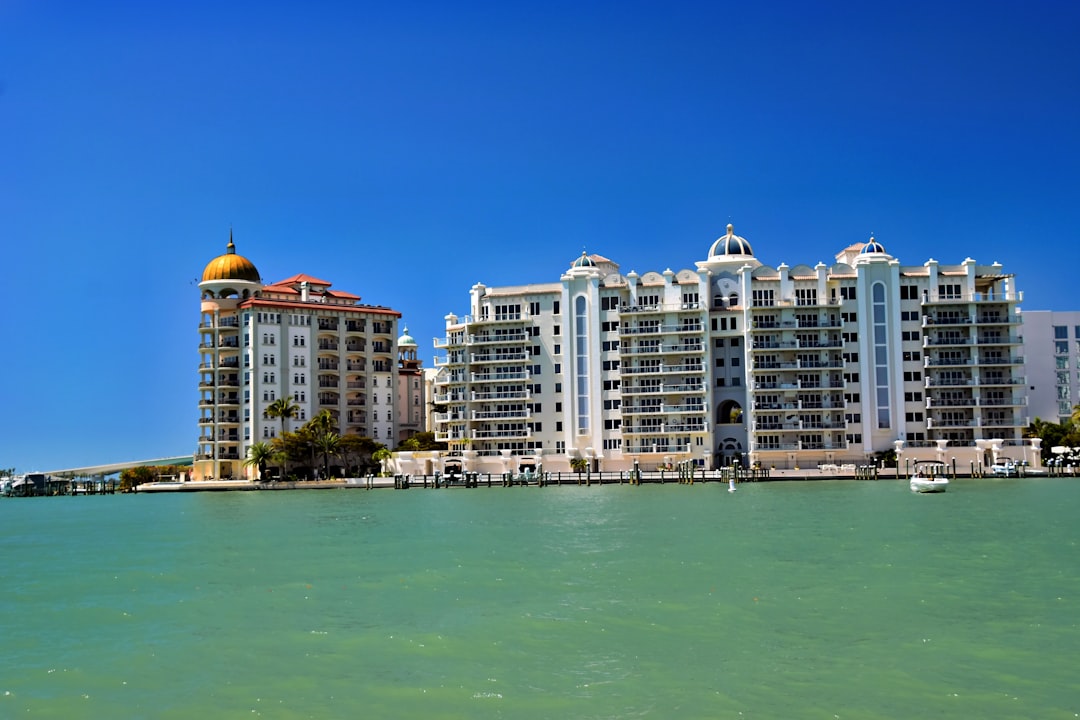
Downtown West Palm Beach is moving toward a formal pause on new waterfront development applications — and the implications reach well beyond city planning circles. As the proposed moratorium heads to a final commission vote, property owners, prospective buyers, and investors tracking the Palm Beach County market need to understand what’s at stake, how long the freeze could last, and what typically follows when a Florida city hits the brakes on waterfront construction.
What the Moratorium Would Do
The proposed moratorium would halt the acceptance of new development applications for waterfront projects in downtown West Palm Beach for a defined period — most commonly six to twelve months in similar municipal actions, though the specific duration is subject to the commission’s final decision. The intent is to give city planners time to reassess zoning rules, height limits, setbacks, and public access requirements along the waterfront before additional projects enter the pipeline.
This is not a permanent ban. A moratorium of this kind is a planning tool, used when a city determines that its existing regulatory framework hasn’t kept pace with the rate or scale of incoming development proposals.
West Palm Beach’s downtown waterfront, anchored along the Intracoastal Waterway, has attracted significant developer interest over the past several years. The area sits across from Palm Beach island, carries genuine luxury demand, and benefits from infrastructure and transit investment that has made the corridor increasingly attractive for mixed-use and residential towers. That momentum is precisely what the city is trying to manage.
Why This Is Happening Now
Palm Beach County’s development environment has been running hot. Large-scale deals — including the high-profile contract to acquire an aging West Palm co-op for $200 million — have signaled to the market that developers view the area as a serious long-term growth corridor. When multiple major projects begin stacking up simultaneously, municipal planning capacity gets strained, and the city risks approving projects under rules that no longer reflect community priorities.
The moratorium proposal reflects a pattern showing up in other Florida markets as well. Palm Beach County recently moved to pump the brakes on data center proposals, signaling that local governments across the county are increasingly inclined to pause and re-evaluate before approving large-scale land uses — particularly in sensitive or high-demand areas.
For the waterfront specifically, the concerns tend to cluster around a few recurring issues:
- Public waterfront access: As private development intensifies, cities face pressure to preserve pedestrian connectivity and public views of the water
- Height and density: Downtown corridors near the water frequently see applications for projects that test or exceed existing height envelopes
- Infrastructure capacity: Parking, utilities, and stormwater systems in older downtown cores were not designed to absorb multiple high-density towers simultaneously
- Flood zone compliance: Florida waterfront development carries inherent exposure to FEMA flood zone classifications, and new projects in active flood areas face both regulatory and insurance scrutiny
What It Means for the Market
For Current Property Owners
A moratorium creates a short-term freeze on new competition entering the pipeline. If you own waterfront property in the downtown West Palm corridor, no new applications can move forward during the freeze period, which means no additional supply is being approved while the city rewrites its rules. That dynamic can support existing property values in the near term.
The more important question is what comes after the moratorium. If the city emerges with tighter height limits or stricter setback requirements, future development potential on nearby parcels diminishes — which may actually benefit the owners of already-built properties by limiting future competition.
For Prospective Buyers
Buyers considering new construction in the downtown waterfront corridor should recognize that the pipeline may be narrowing. Projects already approved and under construction are not affected by a moratorium on applications. Pre-construction units in approved projects may become more attractive relative to the restricted future supply — though buyers should verify exactly where any project they are considering sits in the approval and permitting timeline before making commitments.
As of recent market data, the broader West Palm Beach area has seen median sale prices rise significantly over the past three years, with luxury and waterfront product continuing to command premiums. Inventory remains relatively constrained for move-in-ready waterfront homes and condominiums in the downtown core.
For Investors and Developers
Any developer holding land on the West Palm waterfront without an active application on file faces the most direct impact. A moratorium prevents new submissions from being accepted, which delays the earliest possible start of the entitlement process. For developers working on speculative land acquisitions in the corridor, this introduces meaningful timing risk.
The moratorium also signals the regulatory direction of travel: expect the revised zoning framework that follows to carry stricter conditions than what’s currently on the books. Investors evaluating waterfront land in downtown West Palm should price in that regulatory uncertainty.
The Bigger Florida Context
West Palm is not acting in isolation. Across Florida, municipalities from St. Pete Beach to South Florida have become more willing to pause, reject, or significantly condition large development proposals — particularly where waterfront character, flooding risk, or neighborhood scale are at issue. The documented cost of wetland development to Florida homeowners has made both planners and voters more cautious about what gets approved in sensitive zones near the water.
That shift in political appetite matters. It means moratoriums of this kind are likely to produce real regulatory change rather than functioning as a simple delay.
What to Do Before the Final Vote
The commission vote on this moratorium is the moment to act on information, not wait for outcomes. Here is where your attention should be focused right now:
- If you hold waterfront land or a development parcel in the affected area, confirm with your entitlement attorney whether your project’s application status is sufficient to avoid the freeze
- If you are a buyer under contract on a pre-construction waterfront project, verify the project’s permit status in writing with the developer
- If you are evaluating a purchase of an existing waterfront home or condo downtown, ask your agent to pull the most recent comparable sales data and assess how similar properties have performed during prior planning pauses in Florida markets
- Track the commission vote date and read the final ordinance language — the precise scope of “waterfront projects” and “downtown” will determine exactly who is affected
A moratorium that is carefully crafted and followed by a coherent rezoning update can stabilize a market and improve long-term planning outcomes. The risk is a drawn-out process that leaves the regulatory environment uncertain for longer than expected. West Palm Beach’s track record on development management will be on display in how this process unfolds.