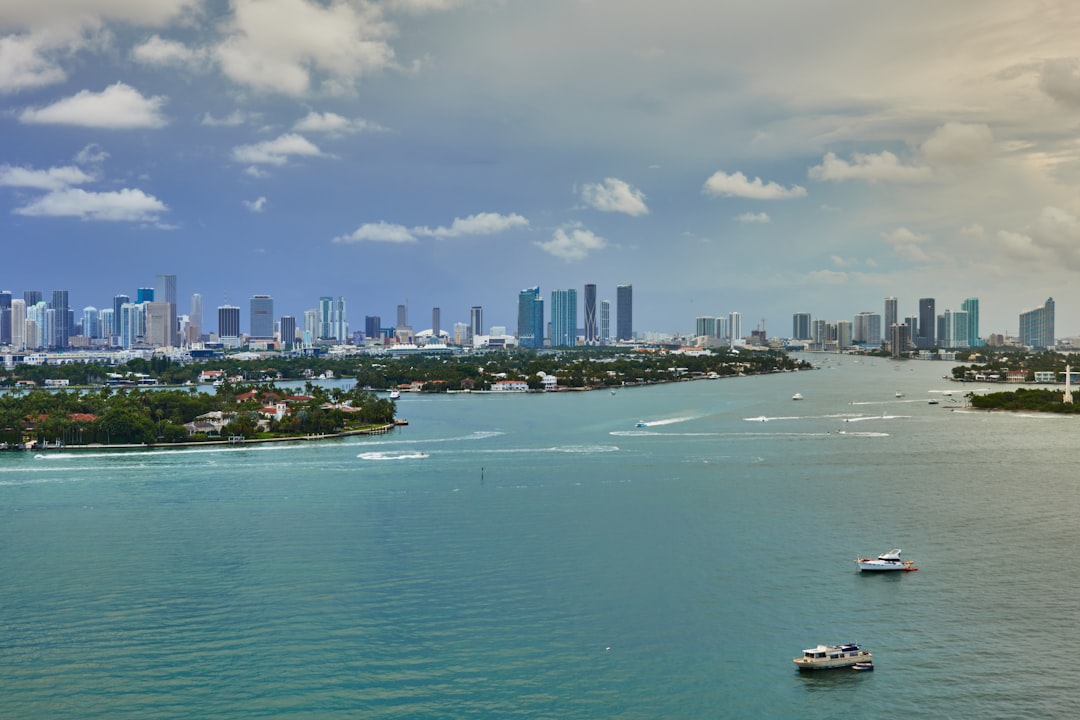
Miami’s luxury residential market has long operated on a simple hierarchy: the closer to water, the higher the price. That logic is being challenged — methodically and with serious capital behind it — by a new generation of mixed-use districts where walkability, curated street-level retail, and urban density are doing the work that ocean proximity once did.
The neighborhood drawing the most attention right now is Brickell City Centre’s expanding radius and, more specifically, the corridor stretching from the Arts & Entertainment District down into Edgewater and the upper reaches of Wynwood. Developers are pricing units here at $1,100 to $1,600 per square foot — figures that would have been difficult to defend without a water address just five years ago — and, as of recent market data, absorption rates are holding steady.
Why Walkability Is Now a Luxury Differentiator
For decades, walkability in Florida was almost beside the point. The car was infrastructure. Miami’s shift is being driven by a specific buyer profile: high-net-worth transplants from New York, Chicago, and increasingly São Paulo and Mexico City, who built their lifestyle expectations in dense urban environments. They are not looking to recreate suburban convenience with a water view. They want the urban fabric they already know — but with better weather and no state income tax.
That demand is measurable. Recent Walk Score data for Edgewater and parts of Wynwood show ratings in the mid-70s to low-80s out of 100, a range that would be unremarkable in Manhattan but represents the top tier of walkable environments in Miami-Dade County. For luxury buyers accustomed to walking to dinner, a dry cleaner, and a coffee shop before 9 a.m., those scores carry real weight.
Developers have noticed. Several projects currently under construction or recently delivered in the Edgewater-to-Wynwood corridor include dedicated ground-floor retail mandates written into their development agreements — not optional amenity space, but committed retail square footage designed to activate the street.
The Retail Thesis: Amenity or Infrastructure?
This is the more interesting structural question. In traditional luxury tower development, retail is an amenity — a restaurant on the ground floor that the building controls, a spa, a café for residents. What’s different about the current Wynwood-adjacent development pattern is that retail is being positioned as neighborhood infrastructure, something that creates value for the block rather than just the building.
The distinction matters for buyers. A building whose ground-floor commercial space is leased to a nationally recognized grocer or an independent restaurant with a waitlist creates a fundamentally different ownership proposition than a building with a tenant who depends entirely on building residents for revenue.
AvalonBay’s recent acquisition of a city block in South Miami signals that institutional capital has reached the same conclusion. When operators at that scale prioritize walkable, mixed-use infill over waterfront or suburban sites, it validates what individual buyers have been acting on for the past two to three years.
What Buyers Should Examine Before Committing
Not every project making the walkability pitch is delivering on it. Here is what a discerning buyer should verify before treating a neighborhood’s Walk Score as a price justification:
- Retail lease commitments, not LOIs. A signed lease from an established tenant is materially different from a letter of intent. Ask for executed agreements.
- Street activation timeline. If the retail component won’t open until 18 months after residential closing, factor that gap into your lifestyle expectations.
- Pedestrian infrastructure quality. Shade, sidewalk width, and crossing design matter enormously in Miami’s climate. A walkable score measured in linear feet doesn’t account for a 94°F August afternoon.
- Parking minimums vs. actual supply. Some newer walkable developments are reducing parking ratios, which can affect resale liquidity if the neighborhood’s transit infrastructure doesn’t keep pace.
- HOA and condo association financial health. In a building with active ground-floor commercial tenants, the relationship between residential HOA assessments and commercial obligations deserves close scrutiny.
On that last point, buyers in Miami’s newer mixed-use towers are wise to review reserve fund disclosures carefully. Fannie and Freddie’s updated condo mortgage rules have added layers of financing complexity to buildings with unusual ownership structures — including some mixed-use configurations — which can affect both purchase financing and eventual resale.
The Insurance Variable Nobody in the Marketing Brochure Mentions
Walkability sells. Insurance costs do not appear in lifestyle renderings.
Miami-Dade County’s property insurance environment remains one of the most challenging in the country. As of recent market data, annual premiums for luxury condos in Miami can range from $8,000 to $25,000 or more depending on building age, flood zone designation, and coverage structure — and some mixed-use buildings in transitional neighborhoods carry commercial-class policy structures that affect how residential premiums are calculated.
Buildings farther from the water are not automatically insulated from these costs. Flood zone boundaries in Miami-Dade are granular, and a building two miles inland can still carry a Zone AE designation depending on drainage infrastructure. Buyers purchasing in any of these emerging walkable corridors should request a full insurance disclosure and, separately, obtain their own flood zone determination before closing.
What the Price Data Is Actually Saying
The pricing momentum in walkable, non-waterfront Miami is not driven by speculation alone. It reflects a structural preference shift among a specific buyer cohort that has been consistent enough over several years to move the market.
As of recent market data, luxury condos in Edgewater — not on the water — are trading at comparable per-square-foot figures to waterfront units in some areas of Brickell. Miami is now benchmarking as more expensive than New York City on certain housing cost metrics, and the non-waterfront luxury segment is a meaningful contributor to that shift, not a footnote.
Days on market for well-positioned walkable luxury units in the $1M to $3M range have remained relatively tight — under 60 days in many cases — while the broader Miami market has seen inventory levels soften and seller-side negotiating leverage decline.
The Bottom Line for Buyers
Miami’s emerging walkable luxury corridor deserves serious consideration, but it requires a different due diligence framework than a traditional waterfront purchase.
Before making an offer, do three things: walk the neighborhood yourself on a weekday morning and a weekend evening — not on a cool January day if you can help it, but in summer conditions. Review the building’s ground-floor commercial lease abstracts, not just the marketing materials. And get a current insurance estimate from an independent broker, not the figure embedded in the seller’s pro forma.
The walkability thesis is real. Whether it holds its value over a ten-year hold depends on whether the retail infrastructure that justifies the price premium actually materializes — and stays.