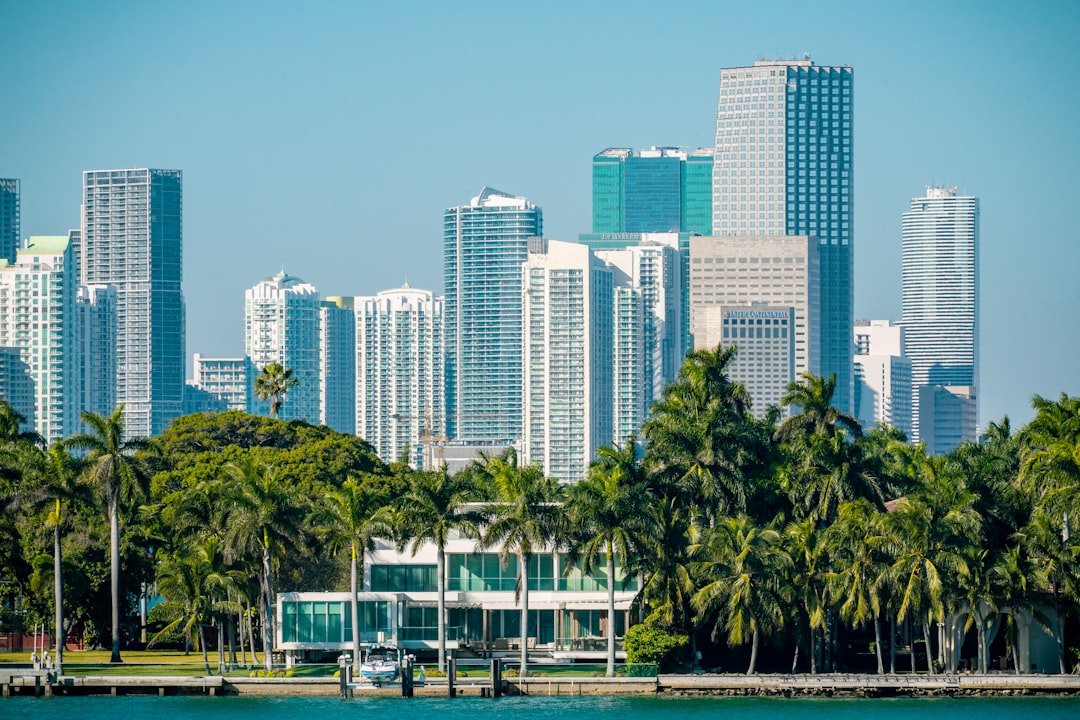
The Trump administration’s moves to restrict and pause certain immigrant visa categories have added a new variable to an already complicated rental equation across Florida. For landlords, property managers, and investors who have structured their portfolios around consistent urban rental demand, this is not a background policy story — it has direct implications for occupancy rates, lease renewal patterns, and long-term rent trajectory in specific submarkets.
Understanding those implications requires separating the noise from the mechanics.
What the Policy Actually Does
The administration’s executive actions have targeted a range of visa categories, including H-1B, F-1, and various immigrant visa processing pipelines. While the full legal and regulatory picture continues to evolve, the immediate effects have included processing delays, increased uncertainty among foreign nationals currently on temporary status, and a chilling effect on new entrants who might otherwise have planned to live and work in the US.
For rental demand purposes, the relevant population is broad. It includes:
- International students on F-1 visas attending Florida universities
- H-1B workers employed in Florida’s tech, healthcare, and finance sectors
- Immigrants waiting on permanent residency who currently rent while their status resolves
- Newly arrived green card holders who typically rent for one to three years before purchasing
Each of these groups represents a distinct rental demand segment, and they are not evenly distributed across the state.
The Florida Markets Most Exposed
Florida’s exposure to this policy shift is higher than most states, largely because of the demographics of its major metros. Miami-Dade County is home to one of the largest foreign-born populations in the US — as of recent Census estimates, roughly 55% of Miami-Dade residents were born outside the country. A significant share of the rental stock in Brickell, Doral, Hialeah, and Kendall is occupied by immigrants at various stages of the visa or residency process.
Doral, in particular, has functioned as a first-stop rental market for Venezuelan, Colombian, and Brazilian immigrants — many of whom arrive on tourist or temporary status, transition to longer-term arrangements, and eventually become buyers. Any policy that slows or disrupts that pipeline compresses the front end of that demand cycle.
Orlando presents a different profile. International students at the University of Central Florida and workforce visa holders in the hospitality and healthcare sectors represent a meaningful share of apartment demand in the metro’s core submarkets. As of recent market data, Orlando’s multifamily vacancy rates have been rising modestly, and a reduction in international worker inflows could accelerate that trend in certain zip codes.
Tampa and Jacksonville are somewhat less exposed but not immune. Both cities have growing immigrant professional communities tied to financial services and logistics — sectors that rely heavily on H-1B pipelines.
How Demand Could Shift — and Where It Gets Complicated
The immediate risk for landlords is not a sudden vacancy crisis. Most renters already in place have signed leases, and mid-lease displacement is not a direct effect of visa restrictions. The more realistic near-term consequence is softer demand at lease renewal and a slower absorption rate for available units in immigrant-dense submarkets.
Longer term, the math gets more complicated. Florida’s population growth over the past several years has been partly driven by domestic migration — particularly from New York and the Northeast — but also by a steady influx of international migrants who first enter as renters. New York outflows reshaping housing demand in Florida have been well-documented, but that domestic migration pattern does not fully replace the rental demand generated by new immigrants, who tend to cluster in different submarkets and price points.
A reduction in new arrivals does not hit luxury rentals and workforce rentals equally. Immigrant renters tend to concentrate in mid-range and working-class rental stock — the $1,200–$2,000/month segment — not in the $3,500+ luxury towers along Brickell Avenue. Owners of workforce rental properties in Doral, Hialeah, or parts of West Palm Beach should be watching their lease renewal rates closely.
What Landlords and Investors Should Monitor
The policy environment is not static. Court challenges, administrative reversals, and Congressional action could all modify the trajectory of these restrictions over the coming months. For now, the most actionable response for Florida rental property owners involves several specific checkpoints:
- Track occupancy and renewal rates by unit type. If your portfolio skews toward two- and three-bedroom units in immigrant-dense neighborhoods, monitor renewal rates at the 60-day-out mark more closely than usual.
- Evaluate lease-up assumptions on new acquisitions. Underwriting that assumed 95% occupancy in submarkets with high immigrant demand may need to be stress-tested against a 10–15% reduction in the qualified renter pool.
- Watch international enrollment numbers at Florida universities. F-1 visa uncertainty is already prompting some foreign students to reconsider US study destinations. UCF, FIU, and the University of Miami are significant drivers of student rental demand in their respective markets.
- Pay attention to construction pipeline completions. Multifamily deliveries across South Florida remain elevated. If demand softens at the same time new supply hits the market, the combination creates more negotiating power for renters and more pricing pressure for owners — a dynamic already beginning to surface in parts of Miami’s multifamily investment landscape.
A Demand Shift, Not a Demand Collapse
The temptation in volatile policy environments is to either dismiss the implications or overstate them. The realistic scenario here falls between those poles. Florida’s rental market has enough structural demand drivers — retirees, remote workers, domestic migrants, and seasonal residents — that widespread vacancy crises are not the likeliest outcome. But the softening of one meaningful demand segment in specific submarkets is a real risk, not a speculative one.
For investors who bought aggressively into workforce rental stock in South Florida’s immigrant-concentrated neighborhoods during the 2021–2023 run-up, this policy environment adds one more headwind alongside higher insurance costs, rising HOA assessments, and the broader affordability squeeze that has been compressing renter budgets across the state.
The practical step right now: Pull your current occupancy and renewal data by submarket, identify which of your units serve the international worker and student renter profile most directly, and build a conservative occupancy scenario into your next 12-month cash flow projection. If the policy environment stabilizes or reverses, that conservatism costs you nothing. If restrictions deepen, you will have positioned ahead of the pressure rather than reacted to it.