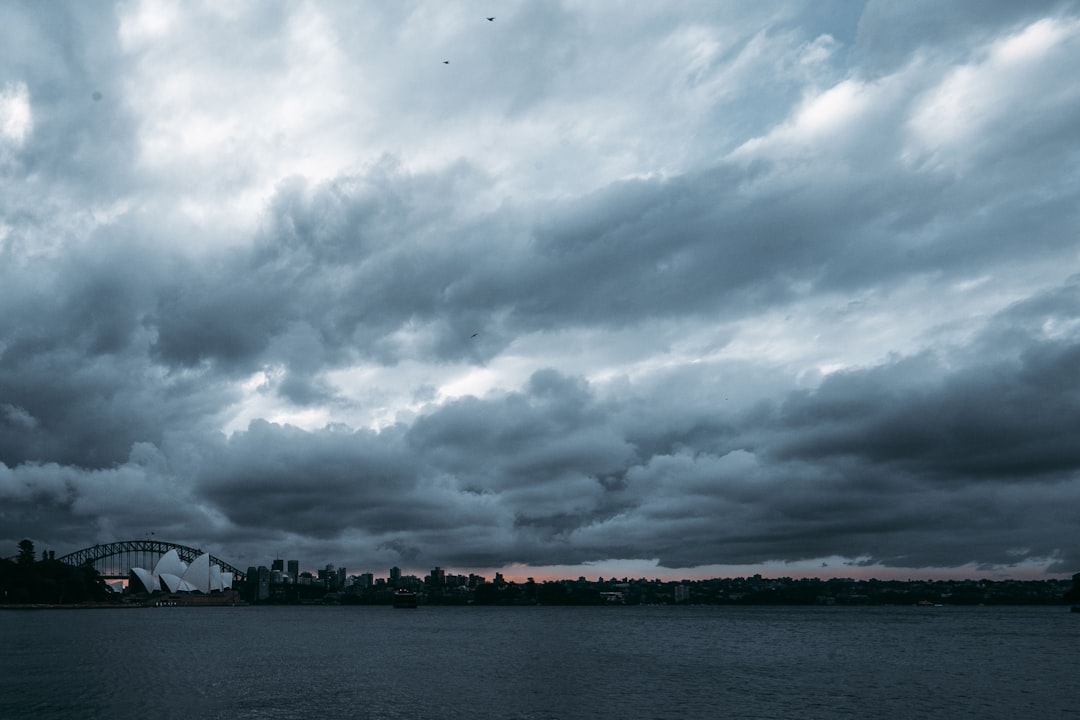
Tropical Storm Edouard is organizing in the Atlantic, and the latest track projections put portions of the U.S. coastline — including key sections of Florida’s Gulf and Atlantic shores — within the cone of concern. For homeowners, investors, and anyone under contract on a property in a potentially affected area, the window to prepare is narrower than most people assume. Storms at this stage of development can intensify rapidly, and the difference between a named tropical storm and a hurricane can close in under 48 hours.
This is not a drill scenario. It is the kind of developing situation where the homeowners who act now — checking coverage, securing property, and understanding what their policies actually cover — are the ones who avoid the most expensive surprises.
Where Edouard Is Headed and Which Areas Face the Most Risk
As of recent tracking data, Tropical Storm Edouard’s projected path shows a west-northwestward trajectory that brings it within range of the Florida Peninsula, with Gulf Coast communities from the Tampa Bay area southward through Naples and Fort Myers among the regions to watch closely. The Atlantic coast, including the Space Coast and areas north toward Jacksonville, also fall within the extended uncertainty cone depending on how the storm interacts with upper-level steering currents over the next 72 hours.
Meteorological guidance has been inconsistent at this range, which means homeowners should not anchor their preparations to a single track line. Storms at the tropical storm stage routinely shift 50 to 100 miles from projected landfall points.
Areas That Should Treat This as Imminent
- Southwest Florida Gulf Coast (Fort Myers, Cape Coral, Naples, Marco Island) — still recovering from the structural and insurance disruption caused by Hurricane Ian in 2022, and acutely vulnerable to even moderate storm surge
- Tampa Bay — the bay’s shallow geometry amplifies surge risk out of proportion to a storm’s wind speed; a relatively weak system can push several feet of water into low-lying neighborhoods
- Florida Keys and Monroe County — limited evacuation routes and extremely low elevation make early preparation non-negotiable
- Northeast Florida coast (Jacksonville, Fernandina Beach, St. Augustine) — often overlooked in Gulf-focused forecasts, but Atlantic-tracking systems can produce significant flooding along the St. Johns River basin
What Homeowners Should Do Right Now
The most common mistake in the 48-to-72-hour window before a storm is treating preparation as a single event rather than a checklist that runs in parallel. Here is how to structure that time effectively.
Review Your Insurance Coverage — Today
Pull your homeowners policy and read the wind and flood coverage sections carefully. Standard homeowners insurance in Florida does not cover flood damage. Flood coverage through the National Flood Insurance Program (NFIP) or a private flood carrier is a separate policy, and critically, NFIP policies typically carry a 30-day waiting period before coverage takes effect. If you do not already have flood insurance, you cannot obtain it in time for Edouard.
As of recent market data, average NFIP premiums in Florida run approximately $900 to $1,200 annually for standard residential coverage, though properties in high-risk flood zones (AE, VE) often carry significantly higher premiums. Florida homeowners have already been navigating one of the most stressed insurance markets in the country — the nationwide home insurance crisis has hit the state particularly hard, with several insurers exiting or limiting coverage in coastal counties.
Know your deductible. Florida policies frequently carry a separate hurricane deductible expressed as a percentage of the insured value — typically 2% to 5% — rather than a flat dollar amount. On a home insured for $400,000, that is $8,000 to $20,000 out of pocket before your insurer pays anything for wind damage.
Secure the Property
- Store or anchor outdoor furniture, planters, and decorative items — these become projectiles in 50-plus mph winds
- Clear gutters and downspouts so water can drain efficiently during heavy rain bands
- Photograph or video every room and all major appliances, both interior and exterior — store that documentation in the cloud, not on a local device that could be damaged or lost
- If you have storm shutters or impact panels, install them before storm watches are posted; hardware stores and crews are overwhelmed once a watch is issued
- Verify that your sump pump (if applicable) is operational and that the backup battery is charged
- Move important documents — deed, insurance policies, vehicle titles, passports — to a waterproof bag or an off-site location
Know Your Evacuation Zone
Florida uses a letter-based evacuation zone system (Zone A through Zone E in most counties, with Zone A being highest risk). Look up your zone through your county’s emergency management website — not a third-party app. If authorities issue a mandatory evacuation order for your zone, leave early. The roads out of coastal areas in Southwest Florida and the Keys can become impassable within hours of an order being issued.
The Property and Real Estate Implications of Edouard
Beyond the immediate physical preparation, homeowners and buyers with active transactions need to understand how a storm event can affect contracts and closings.
Properties under contract in Florida typically carry inspection and closing timelines that do not automatically pause for weather events. Buyers should review their purchase and sale agreement for force majeure provisions and communicate proactively with their agent and title company if a closing is scheduled within the next 10 days.
For sellers with listed properties, storm damage between contract and closing creates a legal gray area — Florida statute addresses this, but the specifics depend on whether the property has been materially damaged and whether the buyer elects to proceed or cancel. Any active listing in an affected market may also see showing activity drop sharply during the storm window, extending days on market.
The Fort Myers and Cape Coral market has been particularly sensitive to storm-related disruptions. Hurricane Ian’s impact on that corridor demonstrated how storm events can reshape buyer perception of a submarket for years after the physical damage is repaired. Insurance availability — or the lack of it — became a deal-killer for properties in flood-prone neighborhoods throughout Lee County.
The Bottom Line: Act Before the Window Closes
Tropical Storm Edouard may strengthen, weaken, or shift before any U.S. landfall. That uncertainty is not a reason to wait. The homeowners who sustain the most preventable losses are almost always the ones who decided to monitor a storm rather than prepare for it.
If your property is anywhere along Florida’s coastline or in a river basin subject to inland flooding, take these steps today: confirm your insurance coverage and deductibles, document your property’s condition, and identify your evacuation zone. If you are under contract to buy or sell a home in a potentially affected area, contact your real estate agent immediately to discuss how a named storm event could affect your timeline and contractual obligations.
The storm will do what it does. What you control is how prepared you are when it arrives.