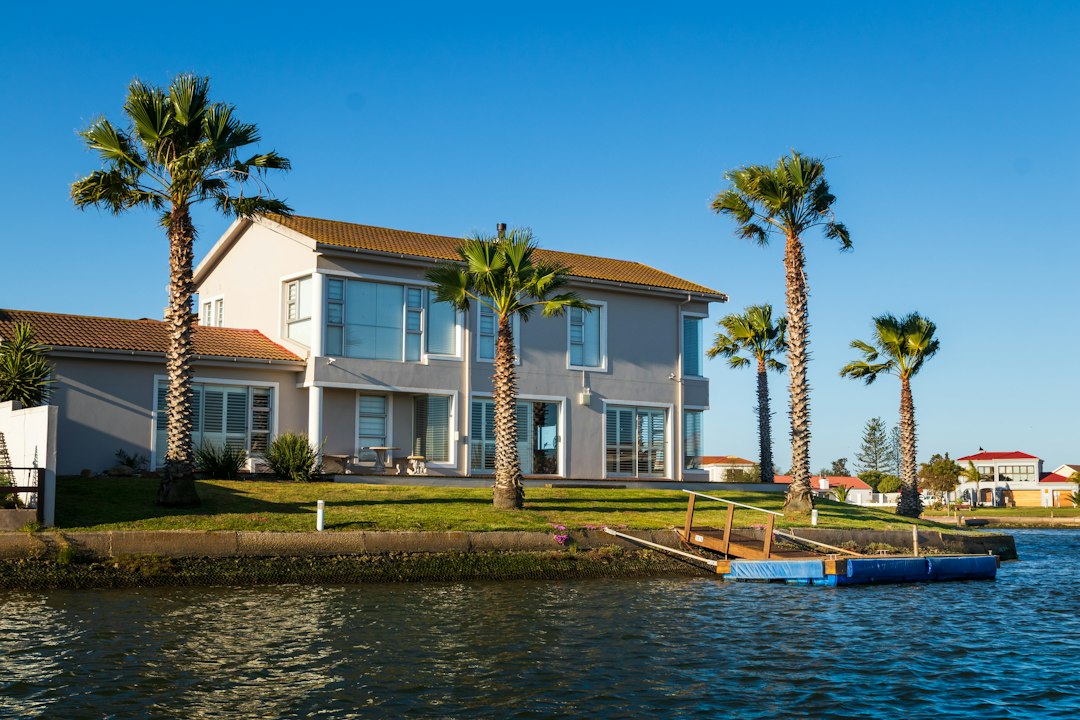
Florida has a long history of quiet coastal towns that suddenly find themselves on the wrong end of a developer’s blueprint. The latest: Cortez, a small commercial fishing community tucked along Tampa Bay between Bradenton and Anna Maria Island, is at the center of a sweeping redevelopment push that has drawn luxury buyers, major capital, and — predictably — significant local resistance. The scale of investment now targeting this stretch of Manatee County coastline is forcing a real conversation about what gets preserved, what gets priced out, and who actually profits.
What’s Actually Being Proposed
The centerpiece of the redevelopment is a mixed-use project that developers have positioned as a luxury waterfront destination, incorporating high-end residential units, marina facilities, hotel components, and retail. The total projected investment across multiple parcels in and around the Cortez fishing village corridor approaches $2 billion when combined with adjacent private development activity — a figure that would have been unthinkable for this area five years ago.
Cortez has operated as a working waterfront since the 1880s. The village is one of the last remaining traditional fishing communities on Florida’s Gulf Coast, and a portion of it sits within the Florida Maritime Museum’s historical district. That designation offers some protection — but not enough to hold back the tide of capital looking for waterfront land in a state where developable coastline is increasingly scarce.
As of recent market data, waterfront parcels in Manatee County have appreciated significantly, with some listings showing price-per-square-foot figures exceeding $1,200 for Gulf-adjacent land. Luxury demand in this corridor has accelerated since Hurricane Ian redirected attention northward from harder-hit Lee County communities.
The Luxury Buyer Profile Moving In
The buyers targeting new luxury product near Cortez are not typical vacation-home shoppers. Based on activity patterns across comparable Gulf Coast communities, they skew toward net-worth profiles that treat coastal Florida real estate as a portfolio allocation rather than a lifestyle impulse purchase. Many are coming from the Northeast and Midwest, and a growing segment are out-of-state investors who have already captured appreciation in the Miami and Naples markets and are now moving up the Gulf Coast looking for the next inflection point.
Florida’s luxury market has been pulling away from national trends in recent cycles, with Tampa and its surrounding metro posting particularly strong performance in the upper price tier. Proximity to Sarasota — one of the most consistently active luxury markets in the Southeast — gives the Cortez-Anna Maria corridor an additional draw. Anna Maria Island itself already commands median sale prices well above $1.5 million, and the spillover into adjacent areas is accelerating.
The profile of the product being proposed reflects this demand: residences in the $900,000 to $3 million range, with marina access, concierge services, and resort-grade amenities that would look at home in Naples or Palm Beach.
The Infrastructure and Insurance Reality
Luxury demand is real. But the math behind owning property in this part of Manatee County is more complicated than the renderings suggest.
Cortez sits in a Federal Emergency Management Agency (FEMA) designated flood zone, and a significant portion of the surrounding area carries AE or VE zone designations — the latter indicating coastal high-hazard areas where base flood elevations and wave action both apply. For buyers financing a purchase, that means mandatory flood insurance on top of already elevated windstorm premiums. As of recent market data, annual insurance costs for a Gulf Coast home in this price range can run between $25,000 and $60,000 per year depending on structure type, elevation certificate, and coverage limits — and that figure has been moving upward, not down.
The true carrying cost of vacation homes is a conversation more buyers need to have before committing to coastal Florida at this price point. Insurance costs that seemed manageable at purchase can erode yield projections and resale assumptions faster than market cycles alone.
Beyond insurance, the area’s road infrastructure — particularly the approaches to Anna Maria Island via Cortez Road — is already strained during peak season. A development injection of this scale will put pressure on local governments to invest in traffic, utility, and stormwater infrastructure that may not yet be budgeted.
What This Means for Buyers and Investors Right Now
Whether you’re considering a primary residence, a vacation property, or a straight investment play in this corridor, there are specific questions worth addressing before moving forward:
- Flood zone classification and elevation certificate — Request a current elevation certificate for any property and verify the FEMA flood zone designation independently, not just from the listing.
- Insurance quote before closing — Obtain a binding quote from at least two carriers before going under contract. Do not estimate based on comparable properties in lower-risk zones.
- HOA and condo association reserves — Newer luxury developments will have reserve requirements, but verify that the association’s reserve study is current and adequately funded.
- Development timeline and project risk — Large mixed-use projects of this scale in Florida have a history of delays and capital structure changes. Understand what phase you’re buying into and what construction risk that entails.
- Resale liquidity — The luxury segment above $2 million in secondary Gulf Coast markets carries longer days-on-market averages than headline sales suggest. As of recent data, some comparable communities are seeing 120-plus days on market for properties above that threshold.
The Preservation Question Nobody Is Answering Cleanly
Manatee County officials and the City of Bradenton are navigating competing interests: economic development revenue, historical preservation obligations, and the concerns of a commercial fishing community that has operated continuously for over a century. Several community groups have pushed back on the scope of proposed redevelopment, arguing that the scale of luxury development is incompatible with the working waterfront character that makes the area worth visiting in the first place.
This is not a new tension in Florida. Working waterfront conflicts have played out in St. Pete Beach and other Gulf communities where hospitality and residential development have collided with existing use patterns and local zoning intent.
The outcome in Cortez will depend heavily on what local governments approve, what gets challenged, and how quickly the private capital moves. For buyers, the practical takeaway is this: if you’re considering property in or immediately adjacent to this redevelopment zone, understand that the neighborhood character may look materially different in five years — in ways that could support value or complicate it, depending on what actually gets built and what doesn’t.
Get a full picture of the development approvals on record, the pending applications, and the specific parcel’s relationship to the historical district boundary before you commit. In a market moving this fast, due diligence is not optional.