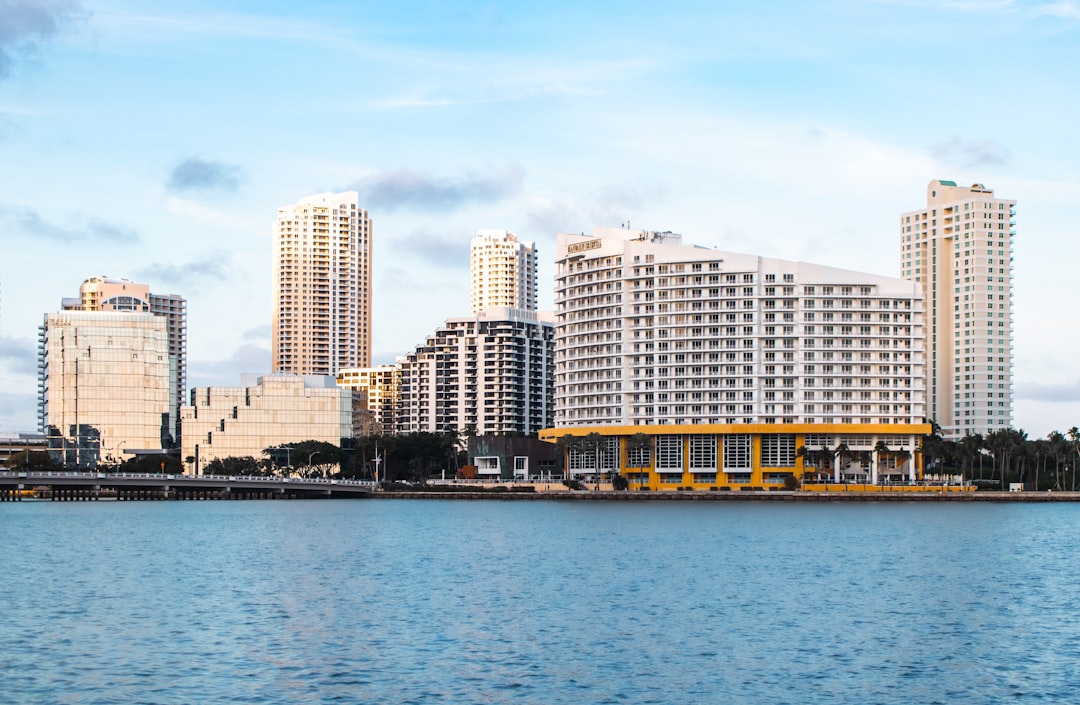
As of recent market data, Florida ranks among the top three states in the country for foreclosure starts, alongside Texas and California. That three-state concentration matters: together, these markets account for a disproportionate share of all new foreclosure filings nationally, and each is doing so for reasons that go well beyond a simple uptick in missed payments. For anyone buying, selling, or investing in Florida property right now, understanding what’s underneath these numbers is more useful than the headline figure alone.
The National Picture — and Where Florida Fits
According to recent ATTOM Data Solutions reporting, foreclosure filings rose approximately 10% annually, with foreclosure starts — the initial step in the formal foreclosure process — climbing across most major Sun Belt markets. Florida, Texas, and California each have large housing inventories and diverse price ranges, which naturally produces higher absolute filing counts. But the rate increase, not just the raw volume, is what warrants attention.
Florida’s position on this list reflects several converging pressures:
- Rising carrying costs: Property insurance premiums in Florida have climbed sharply over the past three years, with some coastal homeowners seeing annual premiums double or even triple. When total housing costs — mortgage, insurance, HOA fees, property taxes — stretch household budgets past their limits, default risk climbs.
- Pandemic-era buyers now exposed: Many borrowers who purchased between 2020 and 2022, often at elevated prices and with adjustable-rate products, are now facing rate resets or simply running out of financial cushion.
- Declining equity buffer in some submarkets: While Florida home values remain elevated overall, certain markets — particularly in Southwest Florida and parts of the Tampa Bay corridor — have seen price softening, reducing the equity cushion that historically allowed stressed homeowners to sell rather than face foreclosure.
Why Texas and California Are in the Same Conversation
Texas entered this period from a different angle. The state has no income tax but carries high property tax rates — among the highest in the country — and homeowners insurance premiums that surged roughly 30% over five years, according to recent reporting. For households in the Dallas–Fort Worth and Houston metro areas that bought aggressively during the pandemic, that combination of higher taxes, higher insurance, and stagnant or declining equity is producing financial strain that now shows up in foreclosure filings.
California’s situation is driven more by sheer price levels. Median home values in major California metros remain well above $700,000, and when income disruption hits — job loss, reduced hours, a small-business contraction — the gap between what a homeowner owes and what they can absorb monthly is simply larger. The foreclosure start rate in California, while still historically low relative to peak crisis years, has been trending upward.
The common thread across all three states: affordability stress that built up during the low-rate era is now expressing itself as payment distress, and the pace of that expression is accelerating.
What Florida’s Foreclosure Uptick Does Not Mean
Context is essential here. Florida’s current foreclosure environment is categorically different from 2008–2011, when the state was the national epicenter of the housing collapse.
Several distinctions are worth holding onto:
- Loan quality is fundamentally different. The vast majority of mortgages originated since 2013 carry documented income verification and meet qualified mortgage standards — not the stated-income, no-documentation products that flooded the pre-crisis market.
- Equity levels remain broadly positive. Most Florida homeowners who bought before 2022 are still sitting on meaningful equity gains, even after recent price adjustments. That equity provides an exit option — a distressed sale — before a property ever reaches the auction block.
- Foreclosure timelines in Florida are long. Florida is a judicial foreclosure state, meaning the process runs through the courts. From first missed payment to completed auction, the timeline can stretch 18 to 36 months. Foreclosure starts today do not translate to a flood of bank-owned homes hitting the market tomorrow.
For a fuller look at why rising filing numbers don’t automatically signal a market collapse, the analysis at why 2026 foreclosure gains are not a housing crash signal is worth reading alongside this data.
The Florida-Specific Factors Amplifying the Pressure
Insurance Costs and HOA Obligations
Florida’s property insurance crisis has been documented extensively, but its connection to foreclosure risk is sometimes underappreciated. A homeowner who budgeted $2,400 per year for insurance in 2020 may now be paying $6,000 or more — without any corresponding increase in income. That gap, sustained over two or three years, depletes savings and pushes some borrowers past their capacity to maintain mortgage payments.
Condominium owners face an additional layer. Post-Surfside legislation has required condo associations to fund structural reserves that were historically deferred or waived, and special assessments in the tens of thousands of dollars have landed on unit owners with little warning. For condo buyers in markets like Miami or Fort Lauderdale, understanding what those reserve requirements mean for financing is now a necessary step before making an offer — not an afterthought.
Flood Zone Exposure
A significant share of Florida’s housing inventory sits in FEMA-designated flood zones, and National Flood Insurance Program premiums have been increasing under the Risk Rating 2.0 methodology. For properties in coastal Pinellas County, parts of Miami-Dade, and much of Lee County, the combined cost of homeowners insurance plus flood coverage can add $10,000 to $20,000 per year to a property’s carrying cost — a figure that many buyers didn’t model accurately at purchase.
The Seasonal Market Variable
Florida’s market is partly cushioned by seasonal demand from snowbirds and retirees who continue to view the state as a primary relocation destination. That sustained buyer pool provides a floor that markets without strong in-migration don’t have. Even in a rising foreclosure environment, motivated sellers in Florida have a larger buyer audience than comparable markets in the Midwest or Northeast.
What Buyers and Sellers Should Do Right Now
If you’re a buyer watching foreclosure activity rise, resist the assumption that distressed inventory will produce easy bargains in the near term. Florida’s long foreclosure timeline means auction-ready properties are still a year or more away for most filings made today. Bank-owned properties, when they do hit the market, often carry deferred maintenance costs that erode the apparent discount.
If you’re a seller — particularly one carrying high insurance costs or facing an HOA special assessment — the window to act before this distressed inventory formally enters the market may still be open. Buyers are negotiating harder, and price cuts are creeping back into the market, but listed properties with clean titles and accurate disclosures are still moving.
For investors, the calculus is more nuanced. Markets where foreclosure starts are concentrated in specific zip codes — often areas with older housing stock, higher flood risk, or heavy HOA obligations — warrant careful due diligence on total carrying costs before any acquisition.
The single most practical step for any market participant right now: run a full cost-of-ownership analysis that includes current insurance quotes, HOA fees, flood insurance (if applicable), and property tax projections — not just the mortgage payment. Florida’s foreclosure data is telling you that the buyers who are struggling skipped that step.