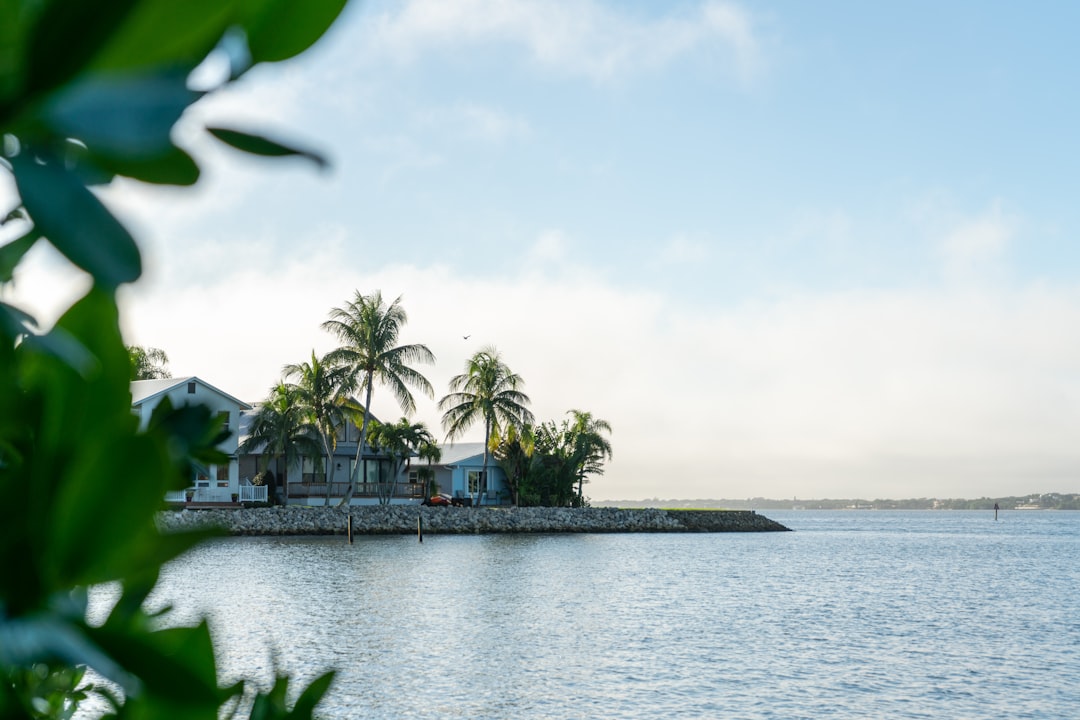
Florida’s grip on the retirement relocation market shows no sign of loosening. As of recent migration data, the state continues to absorb a disproportionate share of Americans aged 55 and older who are leaving their home states — with net domestic in-migration figures for retirees that consistently outpace every other destination in the country. That sustained demand isn’t just a demographic footnote. It has measurable consequences for home prices, inventory levels, and the communities those buyers are entering.
Why Florida Still Wins the Retirement Relocation Race
The obvious answers — warm weather, no state income tax, a coastline that runs nearly 1,400 miles — are real factors. But they don’t fully explain why Florida continues to pull ahead of competing retirement destinations like Arizona, the Carolinas, and Tennessee. The edge lies in the combination: Florida is one of the few states that pairs a favorable tax structure with a mature infrastructure of retirement-oriented communities, healthcare systems, and lifestyle amenities built out over decades.
Florida’s homestead exemption and property tax caps also matter for retirees on fixed incomes. Once a buyer establishes a primary residence and qualifies for the Save Our Homes cap, annual property tax increases are limited to 3% or the rate of inflation — whichever is lower. That predictability is meaningful when you’re budgeting across a 20- or 30-year retirement horizon.
The healthcare factor is underappreciated in most lists of retirement drivers. Florida ranks among the top states for the concentration of Medicare-enrolled physicians and specialist networks, particularly in metro areas like Tampa, Orlando, and the greater Miami corridor. For buyers in their late 60s and 70s, proximity to a robust medical infrastructure can be the deciding variable.
Where Retirees Are Actually Buying
Not every Florida market benefits equally. As of recent market data, the highest concentrations of 55-and-older buyers are clustering in a few distinct corridors.
- Southwest Florida — The Naples-Fort Myers-Cape Coral region remains one of the most active retirement markets in the country. Median single-family home prices in Naples hover near $700,000, which reflects both demand pressure and a high-end buyer profile.
- The Sarasota-Bradenton corridor — Consistently ranked among the top five retirement destinations nationally, this stretch draws buyers who want Gulf Coast access with slightly lower price points than Naples.
- Central Florida’s 55+ communities — The Villages, north of Orlando, is the largest age-restricted community in the world by population. The broader Sumter and Lake County areas have expanded significantly, adding inventory targeted specifically at the retirement buyer.
- The Treasure Coast — Martin and St. Lucie counties have emerged as a more affordable alternative to Palm Beach County, attracting buyers priced out of Boca Raton and Jupiter who still want Atlantic-facing proximity.
- The Florida Panhandle — Markets like Pensacola Beach and Destin are pulling in early retirees, particularly from the Southeast and Midwest, drawn by lower entry prices and a calmer pace than South Florida.
Understanding where boomer and Gen X buyers are moving in 2026 helps clarify where are boomers and Gen X moving in 2026? — and Florida accounts for a dominant share of those flows.
What Retirement Demand Is Doing to Local Markets
Sustained retiree in-migration creates a specific kind of demand pressure that differs from the pressure driven by young families or investors. Retirement buyers often transact in cash or with significant equity extracted from a prior home sale, which compresses the impact of elevated mortgage rates on their purchasing power. As of recent data, cash buyer share in Florida markets skews above the national average, particularly in the $400,000–$900,000 price band where retirement purchases concentrate.
That dynamic has two effects. First, it keeps price floors elevated in retirement-heavy markets even when broader market conditions soften. Second, it can accelerate inventory absorption in specific property types — single-story homes, golf course communities, waterfront condos — while other segments sit longer.
The condo segment deserves particular attention. Post-Surfside legislation has added reserve funding requirements and structural inspection mandates for older buildings, which has pushed carrying costs higher in many communities. Buyers researching Florida’s aging condo stock should understand those cost implications before committing — Florida’s aging condo stock post-Surfside lays out what buyers and current owners need to assess.
The Insurance Variable
Insurance costs are now the most volatile line item in a retirement buyer’s budget calculation. As of recent market estimates, annual homeowners insurance premiums in parts of Southwest Florida and the Southeast Coast have reached $5,000–$10,000 or more for single-family homes, depending on construction year, elevation, and proximity to flood zones. Flood insurance through the National Flood Insurance Program adds another layer of cost for properties in designated AE or VE zones.
The good news is that Florida’s insurance market has shown measurable signs of stabilization over the past 12–18 months, with several private carriers returning to the market after a period of contraction. Florida homebuyers can breathe easier as insurance market rebounds outlines what that shift means in practice — but it doesn’t eliminate the due diligence required at the property level.
Retirement buyers, specifically, should request multiple insurance quotes before finalizing a purchase contract, not after. The difference in annual premium between a home built before 2001 and one built to post-2004 Florida Building Code standards can run several thousand dollars per year. Over a 15-year retirement horizon, that gap compounds.
What Buyers Should Do Before Entering a Retirement Market
Florida’s retirement demand story is a tailwind — but it also means you’re competing with well-capitalized buyers in a market that has limited appetite for price concessions. Here’s the practical checklist:
- Get flood zone confirmation early. Pull the FEMA flood map for any property you’re seriously considering. Flood zone designation directly affects insurance cost and mortgage requirements.
- Evaluate the community’s HOA or condo association financials. Request the most recent reserve study and budget. Underfunded reserves in condo associations are a growing problem following new state requirements.
- Factor total carrying costs, not just the purchase price. Property taxes, HOA fees, insurance, and utility costs in Florida’s climate can shift a comfortable monthly budget into a strained one.
- Understand the resale dynamics of age-restricted communities. Properties in 55+ communities have a narrower buyer pool at resale. That’s not necessarily a problem, but it’s a factor worth pricing into your long-term plan.
- Consult a Florida-based real estate professional familiar with retirement-oriented inventory. Market conditions in Naples differ sharply from those in Sarasota or Pensacola. Local expertise matters.
Florida’s dominance as a retirement destination is structural, not cyclical. The demographic wave of Baby Boomers moving through peak retirement age will sustain that demand for at least another decade. The question isn’t whether Florida will remain at the top of the list — it’s whether you’re positioned to navigate the specific market you’re entering.