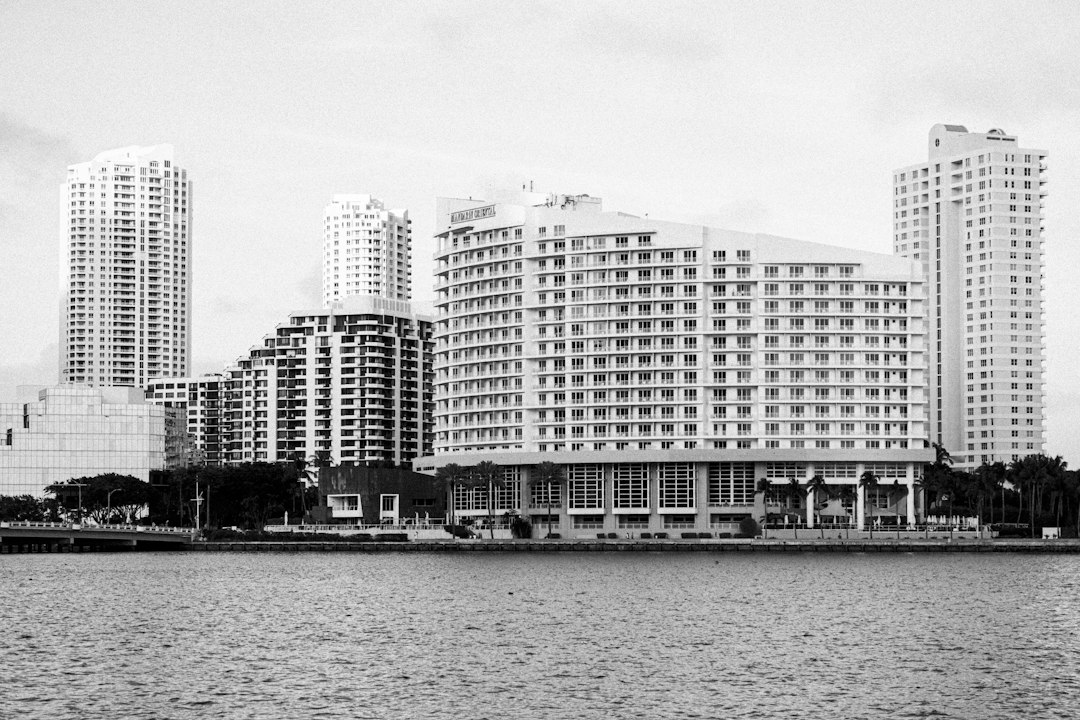
Housing affordability in the United States has quietly deteriorated to its worst level since 2004 — and a Federal Reserve official has said so publicly. That kind of institutional acknowledgment carries weight. It signals that the constraint on homebuying demand is not a temporary friction from a single rate hike cycle, but a structural problem layered from multiple directions: elevated mortgage rates, home prices that never fully corrected, and incomes that haven’t kept pace with the cumulative run-up. For Florida buyers especially, where that pressure intersects with some of the country’s highest insurance costs and HOA obligations, the affordability math is harder than almost anywhere else.
What the Fed Official Actually Said — and Why It Matters
Federal Reserve officials rarely issue housing market commentary in plain terms. When one does — characterizing affordability as being at a multi-decade low — it’s worth treating as a directional signal, not background noise.
The warning reflects data that housing economists have been tracking for months. As of recent market data, the national median home price sits near $420,000. With a conventional 30-year mortgage rate hovering in the mid-to-upper 6% range, a buyer putting 20% down on that median home faces a monthly principal-and-interest payment roughly double what it would have been in 2021. The Fed official’s framing points to the compounding problem: even if rates dip modestly, home prices in most markets haven’t declined enough to offset the rate increase absorbed since 2022.
The Fed’s concern extends beyond individual buyers. Constrained affordability suppresses transaction volume, which slows labor mobility and has ripple effects across the broader economy. For housing specifically, fewer transactions mean tighter inventory — sellers who might otherwise move don’t, because they’d be surrendering a 3% mortgage to replace it with one at 6.5% or higher.
How Florida’s Market Amplifies the National Problem
Florida is not an average American housing market, and the affordability crisis plays out differently here than in the Midwest or Mountain West.
Miami is now more expensive than New York City by some cost-of-living measures, a threshold that would have seemed implausible a decade ago. As of recent market data, the median sale price in Miami-Dade County sits above $600,000 for single-family homes — a figure that would stretch any conventional financing analysis. But it’s not just the purchase price that burdens Florida buyers.
Three compounding factors make Florida’s affordability gap wider than the headline numbers suggest:
- Property insurance premiums — Florida homeowners face average annual insurance costs that in many coastal counties now run $3,000 to $6,000 or more per year, with some waterfront properties seeing premiums well above $10,000. That’s a direct carrying cost that doesn’t show up in the mortgage rate.
- HOA and condo association fees — Post-Surfside inspection requirements and updated reserve funding mandates have driven monthly fees sharply higher for condo owners across South Florida, Tampa, and Orlando. Some associations have levied five-figure special assessments in recent years.
- Flood zone costs — A significant portion of Florida’s housing stock falls within FEMA-designated flood zones. Mandatory flood insurance adds another layer to the monthly carrying cost that buyers from out of state routinely underestimate.
When you stack a 6.5% mortgage rate on top of those costs, the monthly obligation on a $450,000 home in a typical suburban Orlando neighborhood looks dramatically different from a comparable home price in most other states. Builder sentiment runs soft as affordability strain subdues orders, and that’s a signal worth watching in Florida, where new construction has been a major pressure valve for demand.
What This Means for Buyers Navigating the Current Market
The practical implication of a 21-year affordability low is that more buyers are being priced into compromises they wouldn’t have considered two or three years ago.
Some are gravitating toward adjustable-rate products to lower their initial payment, accepting future rate risk in exchange for near-term affordability. That’s a meaningful trade-off worth understanding clearly before committing — adjustable-rate mortgages are on the rise, and the incentive structure is straightforward, but so are the risks if rates remain elevated when the fixed period expires.
Others are waiting — but waiting carries its own risks in Florida. Inventory has improved in some Florida markets compared to the near-zero supply environment of 2021-2022, but meaningful price corrections haven’t materialized in most coastal markets. Demand from retirees, remote workers, and international buyers creates a persistent floor.
What to Check Before You Commit
Before making an offer in any Florida market right now, get specific answers to these questions:
- Total monthly carrying cost — Add PITI (principal, interest, taxes, insurance) to HOA fees, flood insurance if applicable, and any known assessments. Compare that figure to your verified monthly income, not your gross income.
- Insurance bindability — Ask your agent to confirm the property is insurable before you go under contract. Citizens Insurance eligibility and private market availability vary significantly by zip code, property age, and roof condition.
- Reserve study and special assessment history — For any condo or HOA community, request the most recent reserve study and ask whether any special assessments have been levied or are under discussion.
- Rate sensitivity — Model what your payment looks like at the current rate and at a rate 0.75% higher. If the higher scenario breaks your budget, that’s relevant information before you lock.
The Outlook: No Quick Fix on the Horizon
The Fed official’s warning implicitly acknowledges that the affordability problem won’t be resolved by a modest rate cut or two. Even if the Fed reduces its benchmark rate by 75 basis points over the next 12 months — which is not guaranteed — mortgage rates may not fall proportionally. The relationship between Fed policy and 30-year mortgage rates has loosened considerably since 2022, with the spread between the 10-year Treasury and conventional rates running wider than historical norms.
Florida buyers waiting for a return to 3% or 4% mortgage rates before entering the market should plan on a long wait. More useful is a clear-eyed assessment of what the current environment actually costs, month by month, and whether that cost is sustainable given your income trajectory, job stability, and tenure expectations for the property.
The Fed official’s statement isn’t a reason to walk away from the Florida market. Demand drivers here — migration, retirement inflows, and limited land in coastal markets — remain structurally intact. What it is, unambiguously, is a reason to do the math more carefully than you might have in a more forgiving rate environment.
Start with total carrying cost, not purchase price. The gap between those two numbers is where affordability lives — and right now, that gap is at its widest in over two decades.