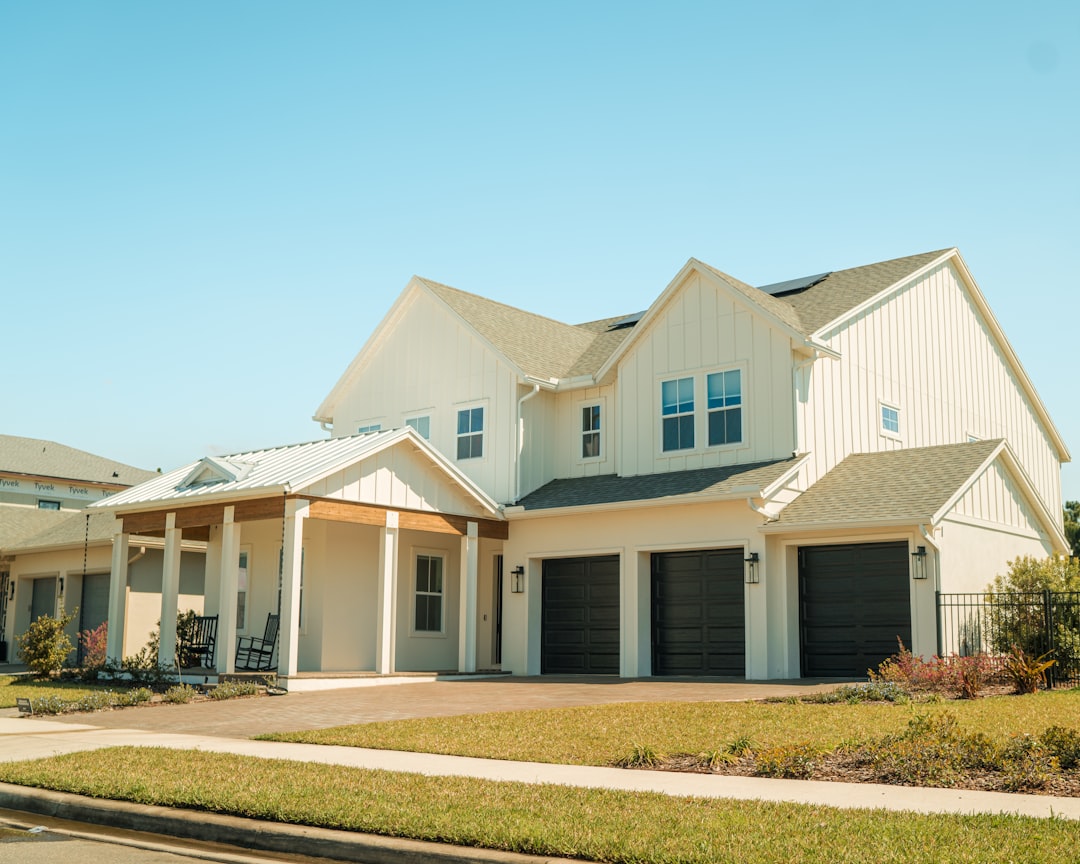
Florida’s post-Surfside reckoning with building safety has produced a wave of legislation, liability debates, and inspection mandates — but a quieter fight has been unfolding in Collier County that cuts to a more fundamental question: when a private firm conducts a structural inspection on behalf of a county government, who actually bears the accountability?
That question is now driving a jurisdictional dispute that could reshape how Florida counties handle third-party inspection programs, with real consequences for buyers, sellers, and property owners throughout Southwest Florida.
The Core of the Dispute
Collier County has historically relied on private inspection companies to carry out certain property assessments, particularly for older structures and code-compliance reviews. The arrangement is common across Florida — municipalities and counties contract out inspection work to licensed private firms, using them as a force multiplier when in-house staff capacity falls short.
The friction arises when those private inspectors operate with what critics describe as insufficient county oversight. In Collier County, concerns have emerged over whether private inspectors are applying consistent standards, who has liability when findings are disputed, and whether property owners — and the buyers who rely on county inspection records — are getting an accurate picture of a structure’s condition.
At the center of the argument is a straightforward but unresolved tension: private firms answer to their contracts; county inspectors answer to the public. When those roles overlap, the line of accountability blurs.
Why This Matters Beyond Collier County
Florida’s structural safety landscape changed materially after the 2021 Champlain Towers South collapse in Surfside. The state’s subsequent building safety legislation — including milestone inspection requirements for older condominiums — placed heightened importance on the quality and credibility of structural assessments statewide. In that context, any ambiguity over who authorizes, supervises, or stands behind a property inspection carries more weight than it did five years ago.
Florida’s aging condo stock has already demonstrated the cost of deferred maintenance and inconsistent inspections. When inspection records are contested or undermined by jurisdictional disputes, lenders and buyers lose one of the few objective data points available during a transaction.
The Collier situation is being watched by other Florida counties that use similar private inspection frameworks. If the dispute produces new guidelines — or litigation — the outcome could force a review of how counties across the state structure these contracts, what indemnification language they include, and whether private inspectors must operate under direct county supervision rather than through arm’s-length agreements.
What Buyers and Sellers in Southwest Florida Need to Know
For anyone transacting in Collier County right now — Naples, Marco Island, Immokalee, or the unincorporated areas — the practical implications are specific.
Verify the Inspection Chain of Command
Before closing on a property that has a recent county-linked inspection on record, confirm who conducted it and under what authority. Ask directly:
- Was the inspection performed by a county employee or a contracted private firm?
- Is the inspection result recorded in the county’s official permit and compliance system?
- Does the county stand behind the findings, or does liability rest solely with the private firm?
These questions matter because a contested or ambiguous inspection can surface during a title review, delay a closing, or affect a lender’s willingness to underwrite.
Structural Reports Are Not Interchangeable
A private inspector hired by a county is not performing the same function as a buyer’s independent home inspector, nor are their reports treated the same way by lenders or insurers. County-linked inspections typically carry a presumption of regulatory authority. When that authority is disputed — as it is now in Collier — that presumption weakens, and the downstream effects can be significant.
Buyers should commission their own independent structural assessment on any property where a county inspection record is in question, particularly for structures built before 1990.
Insurance Implications Are Real
Florida’s property insurance market is already under extreme pressure. As of recent market data, average homeowners insurance premiums in Florida run roughly 2.5 to 3 times the national average, with coastal Collier County properties facing some of the highest combined wind and flood insurance costs in the state. Insurers review inspection records as part of underwriting decisions. A property with a disputed or clouded inspection history can face policy denial, coverage exclusions, or premium loading that wasn’t anticipated at the time of offer.
The Broader Turf War
The dispute in Collier County isn’t isolated. It reflects a wider tension in Florida between counties asserting control over local inspection standards and the licensed private inspection industry, which argues that county oversight mechanisms are inconsistent and, in some cases, politically influenced.
A similar dynamic has played out in land-use and development decisions elsewhere in the state, where the line between public regulatory authority and private interests becomes contested terrain — often with property owners caught in the middle. The inspection dispute follows a comparable pattern: competing claims of authority, uncertain liability, and residents left to navigate the ambiguity as best they can.
There is also a legislative dimension. Florida’s condo safety framework created new inspection mandates, but it delegated significant implementation authority to local jurisdictions. That delegation creates variation — and variation creates gaps. When private firms step into those gaps under county contract, the accountability structure needs to be airtight. In Collier, the argument is that it isn’t.
What to Do Before You Transact
If you are buying, selling, or refinancing a property in Collier County in the current environment, these are the steps that matter most:
- Pull the permit and inspection history directly from Collier County’s online portal before making or accepting an offer
- Confirm the licensing status of any private inspection firm named in county records through Florida’s Department of Business and Professional Regulation
- Ask your lender whether they have any current advisories related to Collier County inspection documentation — some underwriters are already flagging this
- Commission an independent structural assessment for any property where the inspection chain is unclear, regardless of what county records show
The Collier County dispute may resolve through administrative guidance, new contract language, or legislation. Until it does, the safest approach for buyers is to treat any county-linked private inspection report as a starting point — not a final answer.