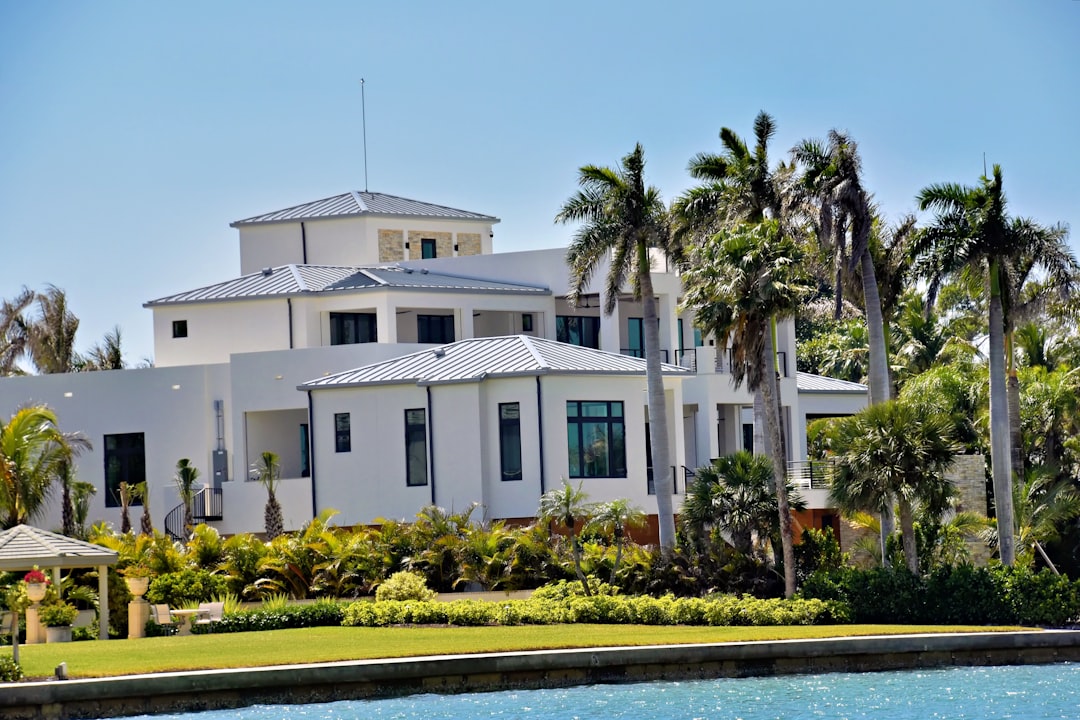
June’s ultra-luxury home sales data told a clear geographic story: beachfront Florida and coastal California absorbed the largest share of eight-figure residential transactions recorded last month, reinforcing that the $10M-and-above segment operates by its own rules, largely insulated from the mortgage-rate pressure that continues to slow mid-market activity across the country.
For buyers, sellers, and investors watching Florida’s high end, the numbers deserve a closer look — not just as a scorecard of wealth, but as a leading indicator of where demand is concentrating and what that means for pricing in the years ahead.
June’s Ultra-Luxury Landscape: What the Data Shows
As of recent market data, properties priced above $10 million represented one of the few residential categories posting consistent transaction volume in June despite broader inventory tightening and sustained high interest rates. According to aggregated luxury market reports, both South Florida and the Southern California coastline — particularly the stretch from Malibu through Newport Beach — recorded outsized sales activity relative to other high-end markets nationally.
In Florida, the Miami Beach and Palm Beach corridors led the state. Palm Beach, long a magnet for generational wealth, saw several waterfront estates change hands at prices well north of $20 million. Miami Beach continued to attract international buyers, with the ultra-luxury condo segment — particularly new-construction penthouses and full-floor residences — drawing interest from Latin American, European, and domestic buyers who view South Florida as a stable asset class. That trend echoes what the development pipeline has been pricing in: the presale of a $30M penthouse at Faena Residences along Miami’s coastline signaled exactly this kind of buyer appetite months before June’s closings materialized.
Why Florida Continues to Attract Ultra-Luxury Capital
Several structural factors distinguish Florida from other luxury markets — and they compound one another in ways that are difficult for competing states to replicate.
No state income tax remains the most cited driver, particularly for buyers relocating from California, New York, and Illinois. For a household earning $5 million annually, the tax differential versus California’s top marginal rate can represent hundreds of thousands of dollars per year — more than enough to justify a premium on the home itself.
Direct waterfront access and weather carry weight that buyers at this level treat as non-negotiable. The Florida coastline offers something Southern California does in limited supply: large lot sizes, private dockage for yachts, and estate-scale properties that can accommodate the compound-style living this buyer segment increasingly demands.
Beyond those well-known factors, three more specific dynamics are worth watching:
- New construction quality has caught up with demand. The generation of ultra-luxury product now delivering across Miami Beach, Sunny Isles, and Palm Beach competes directly with Malibu and Beverly Hills product on finishes, amenity packages, and architectural pedigree.
- International buyer flow remains disproportionately tilted toward Florida. Proximity to Latin America, established banking infrastructure, and a large bilingual professional community give Miami a structural advantage over California in attracting cross-border capital.
- Post-Surfside condo legislation has paradoxically strengthened new construction demand. Buyers who might have purchased an older oceanfront tower are now steering toward newer, fully-compliant buildings — concentrating demand (and price appreciation) at the top of the new-construction market. Florida’s aging condo stock has created a clear divide between buyers willing to absorb legacy-building risk and those who won’t.
California’s Competing Pull — and Its Limits
Coastal California, particularly Malibu, Santa Barbara, and the Newport Beach–Laguna Beach corridor, posted strong June numbers as well. These markets benefit from scarcity: the California Coastal Commission’s development restrictions ensure that supply of true oceanfront property remains severely constrained, which mechanically supports pricing.
What California cannot offer is the tax and cost-of-living differential. Several ultra-high-net-worth buyers active in both markets this spring told advisors they were treating California properties as lifestyle holds — vacation and entertainment assets — while establishing primary residency in Florida for the financial advantages. That bifurcation matters: it means California’s ultra-luxury volume may reflect seasonal or secondary demand, while Florida’s is increasingly anchored by primary residency decisions with more durable price support.
The South Florida luxury premium is already embedded in the data. Luxury homes in South Florida’s wealth-magnet metros command prices roughly nine times the regional median — a gap that reflects genuine scarcity and concentrated high-net-worth in-migration, not simply speculative froth.
What This Means for Florida’s Broader Luxury Market
Ultra-luxury transactions have a documented halo effect on adjacent price tiers. When $20M and $30M properties close at or above ask — which several Palm Beach and Miami Beach listings did in June — it validates pricing assumptions for the $5M to $10M segment directly below, giving sellers in that range more confidence to hold firm on price.
Inventory at the top of the Florida market remains thin. As of recent tracking, active listings above $10 million in Miami-Dade and Palm Beach counties combined represent only a fraction of the demand pipeline visible through buyer inquiries and broker activity. Days on market for well-positioned oceanfront properties have compressed noticeably compared to the same period two years ago.
That compression has implications for buyers who are still treating the ultra-luxury segment as a negotiating environment similar to 2022 and 2023. The window for meaningful price concessions on the best waterfront product appears to be narrowing.
What Buyers and Sellers Should Do Now
If you’re a buyer targeting Florida’s ultra-luxury beachfront segment, the most important step right now is getting specific about what you’re actually competing for. This is not a market to browse passively — pocket listings, pre-market showings, and broker-to-broker deals account for a significant share of transactions above $10 million, particularly in Palm Beach.
For sellers in this range, June’s data provides a useful pricing anchor — but only if your property matches what buyers are actually rewarding: direct water access, newer construction or a fully renovated structure, and the kind of privacy and square footage that the current buyer cohort is demanding. Properties that check those boxes are moving. Those that don’t are sitting, regardless of what June’s headlines say about the segment overall.
The headline trend is real. The execution, as always, depends on the specifics.